HSE & Sustainability

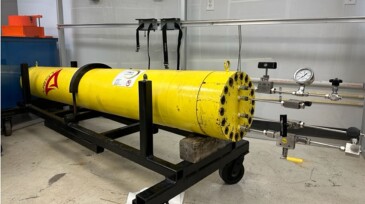
This paper presents a flexible, highly cost- and energy-efficient method of gas separation and CO₂ capture from many different gas mixtures with a large range of CO₂ concentrations.

This study explores the carbon-capture and mineralization potential of ultramafic rock powders when exposed to flue gases generated from combustion of crude oil and mesquite-derived charcoal.

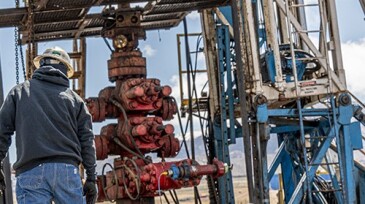
This paper presents an approach for safe, efficient, and cost-effective legacy well reabandonment.
-
 This study emphasizes the vital need to evaluate well conditions and working-fluid compatibility with coiled tubing materials to prolong coiled tubing operational life.
 -
A new kind of groupie is interested in the heavy metal band Metallica’s tour in Europe, including Shell, big-rig and electric vehicle manufacturers, and producers of hydrogen, biofuels, and LNG. It has less to do with the music than the alternative fuels keeping the buses rolling on the 2-month, 7,200-mile journey across nine countries.
-
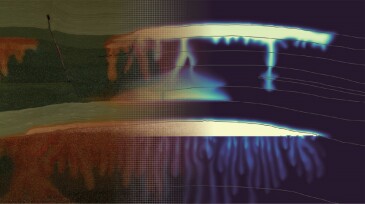
Definition and call for participation in the 11th Society of Petroleum Engineers Comparative Solution Project, which is motivated by the immense challenge of achieving geological carbon storage at a scale that impacts significantly atmospheric emission of carbon dioxide.
-
Years in the making, the program sponsored by the US Department of Energy is celebrating its latest geothermal energy breakthrough in southwestern Utah.
-
A new report finds the need for political, regulatory, and fiscal alignment to ensure a just and fair transition.
-
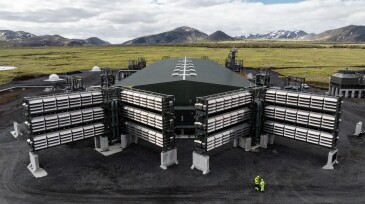
The plant is designed for a capture capacity of up to 36,000 tons of CO₂ per year once in full swing by filtering CO₂ from the air and storing it permanently underground. The company is also developing multiple megaton hubs in the US.
-
The companies are combining their technologies in an effort to help upstream oil and gas operators monitor, report, and reduce emissions.
-
A recent study by researchers from the University of Strathclyde and published in Renewable and Sustainable Energy Reviews found injury rates for workers in offshore wind up to four time that of offshore oil and gas workers.
-
A spate of injuries caused by workers using hand tools improperly has prompted an alert from the Bureau of Safety and Environmental Enforcement.
-
This paper presents efforts and details of a pilot trial that was planned and executed to demonstrate the concept of repurposing existing wells into electricity generators instead of abandoning them.