HSE & Sustainability
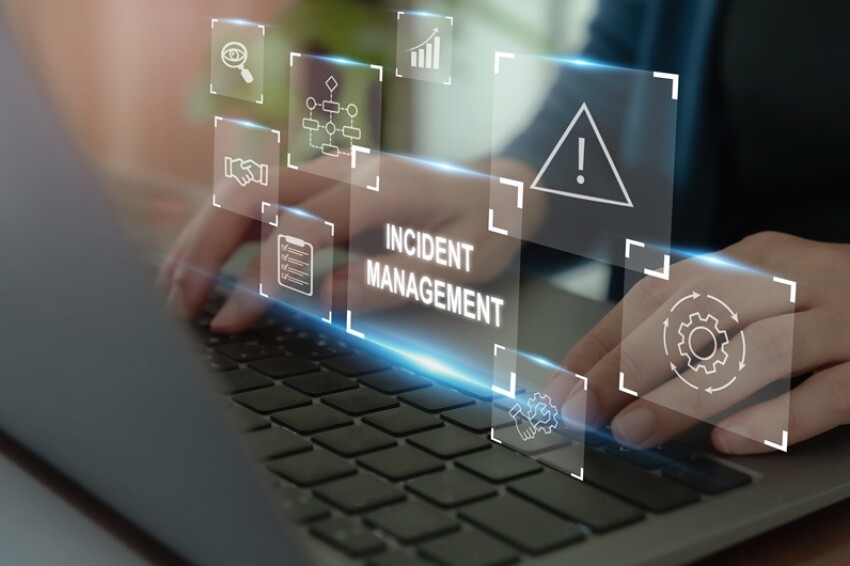
The companies have released the Event Learning Taxonomy CLUE, which aims to improve the understanding of incidents beyond individual blame and toward clearer reporting and increased learning.
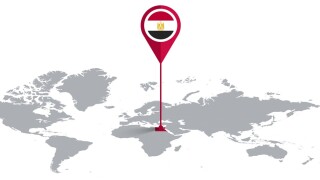
A memorandum of understanding between the companies targets technical services for safety and performance across Egypt’s onshore and offshore assets.

No injuries were reported, and work has been suspended on the North Sea rig while the BOP is recovered.
-
 IPIECA, the oil and gas industry association for environmental and social issues, has released a new fact sheet in an effort to promote carbon capture and storage.
 -
Following up the petroleum industry’s work with digital technology and security is a priority area at the Petroleum Safety Authority Norway. A key target for this supervision in 2019 will be helping the sector to improve safety and the working environment.
-
Superior, Colorado, trustees approved a 6-month drilling moratorium ahead of plans to explore the town's oil and gas regulatory options.
-
A report from Norway’s Auditor General criticizes several aspects of the way health, safety, and the environment in the Norwegian oil and gas industry is followed up by the Petroleum Safety Authority Norway.
-
A 3-year study that demonstrated how to capture a worker’s safety performance and translate the data into personal fatigue levels is the first step in creating a framework that can identify research-supported interventions that protect workers from injuries caused by being tired on the job.
-
Companies waste countless resources measuring the wrong things, not measuring at all, or failing to keep "the most important thing, the most important thing."
-
As part of the Papua New Guinea Liquefied Natural Gas project, a systematic longitudinal effort was made to collect a broad range of morbidity and mortality data for those communities directly adjacent to the project. These data were used to inform workplace disease-monitoring efforts.
-
Many companies care about corporate social responsibility. But putting it into practice requires more than CEO speeches and company policies; managers and employees have to be on board.
-
The chicken or the egg? The cart or the horse? Should policy or technology take the lead? It is not a reasonable question when it comes to deciding where the keys to a sustainable energy future lay—we need both.
-
Researchers combined detailed observations, laboratory experiments, and existing numerical models to develop the Texas A&M Oil Spill Calculator and improve predictions of subsea oil and gas plume dynamics.