HSE & Sustainability
The companies have released the Event Learning Taxonomy CLUE, which aims to improve the understanding of incidents beyond individual blame and toward clearer reporting and increased learning.
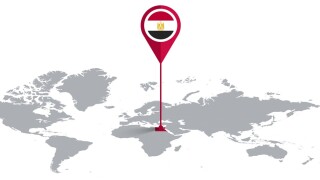
A memorandum of understanding between the companies targets technical services for safety and performance across Egypt’s onshore and offshore assets.

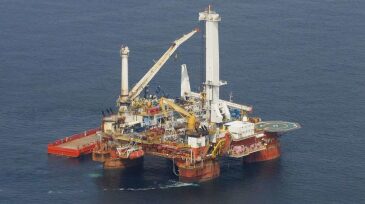
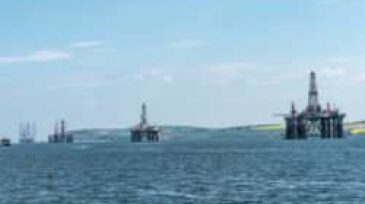
No injuries were reported, and work has been suspended on the North Sea rig while the BOP is recovered.
-
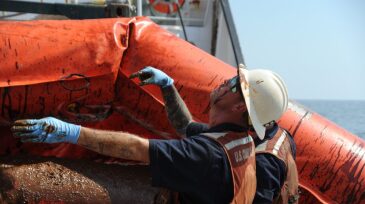
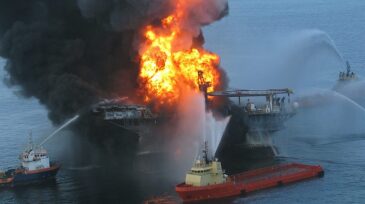
 The response to the 2010 Deepwater Horizon oil spill was affected by heat. This paper evaluates the association between environmental heat exposure and self-reported heat-related symptoms in US Coast Guard Deepwater Horizon disaster responders.
 -
Offshore oil and gas drillers need to better protect against spills during disruptions such as hurricanes and power outages, the American Petroleum Institute recommended.
-
Reports from DNV GL will look at how ocean industries and future opportunities in the Arctic are can be managed as part of a sustainable future.
-
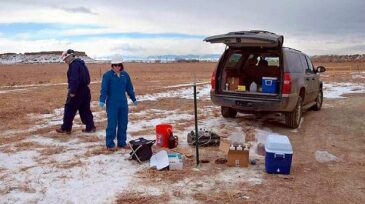
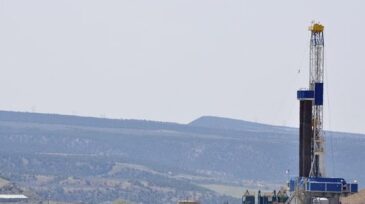
Three scientists say groundwater pollution in Pavillion, Wyoming, is likely caused by gas seeping from inadequately lined gas wells, a porous geology, and the dumping over years of up to 880,000 gallons of chemical effluent into 40 unlined pits.
-
Royal Dutch Shell Chief Executive Ben van Beurden said the oil industry’s own behavior in years past has eroded its relationship with society. He warned that tech companies could face similar fates and that “the alarm bells are ringing quite clearly.”
-
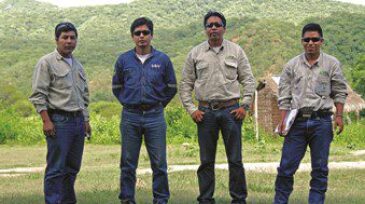
On the basis of experience gathered from the Incahuasi field-development project in Bolivia, this article analyzes the challenges and benefits of implementing a socio-environmental monitoring program with local indigenous communities in a context of high social sensitivity.
-
Research suggests that the formation of the deep plume was unrelated to the addition of subsea dispersants.
-
Scientists have found that man-made structures in the North Sea could play a crucial role in holding coral populations together and increasing their resilience.
-
Had Proposition 112 passed, Colorado would have approved the country's largest mandatory buffer between new wells and homes, schools, waterways, and other areas deemed vulnerable: 2,500 ft, five times the existing standard of 500 ft.
-
Wearable devices can notify workers of hazards, provide useful safety data to employers, and improve safety on the worksite.