HSE & Sustainability

The companies have released the Event Learning Taxonomy CLUE, which aims to improve the understanding of incidents beyond individual blame and toward clearer reporting and increased learning.
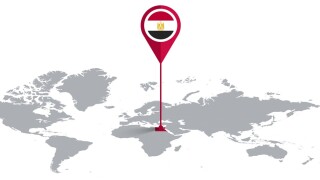
A memorandum of understanding between the companies targets technical services for safety and performance across Egypt’s onshore and offshore assets.

No injuries were reported, and work has been suspended on the North Sea rig while the BOP is recovered.
-
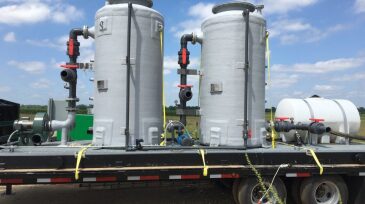
 Biological-based emissions control has promising advantages such as the potential for a low carbon footprint, low secondary pollutants such as NOx and SOx, lower energy demands, and lower cost.
 -
KBC, a Yokogawa company, announced the launch of a new Energy and Sustainability Co-Pilot hub in Singapore to address the Singapore government’s environmental sustainability initiatives.
-
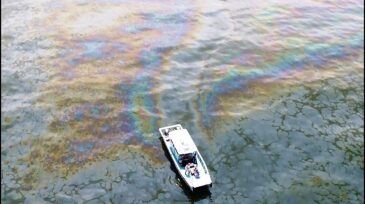
An oil spill that has been quietly leaking millions of barrels into the Gulf of Mexico has gone unplugged for so long that it now verges on becoming one of the worst offshore disasters in US history.
-
The Advanced REACH Tool is a mechanistic higher-tier model to estimate inhalation exposure to chemicals using a Bayesian approach. This paper provides a discussion of the key modifying factors that should be considered to extend the model to include welding fume exposure.
-
Proposed changes would modify EPA's August 2016 final rule, "Oil and Natural Gas Sector: Emission Standards for New, Reconstructed, and Modified Sources." The proposal has been submitted for publication to the Federal Register. Following that publication, the EPA will accept comments for 60 days.
-
Colorado communities and pro-oil and gas industry groups are clashing in a Supreme Court case that could change the way the state handles decisions on allowing increased fossil fuels production near people.
-
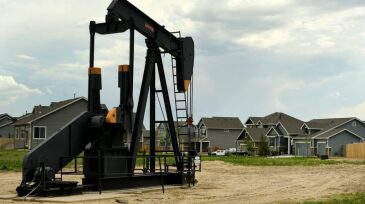
A years-long fight in Colorado over how close oil and gas drilling can safely be to places where people live and work is coming to a head with an unprecedented November ballot measure that would ban such operations within at least half a mile of homes, schools, businesses, and waterways.
-
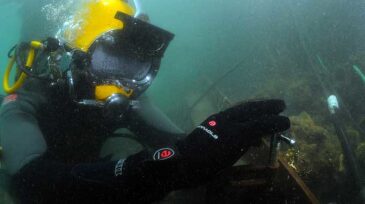
Fifteen members of the UN’s International Maritime Organization have voted to approve amendments to existing codes on diver safety intended to harmonize the codes “with current industry practice.”
-
With concern growing that the underlying geology in the Permian Basin is reaching capacity for disposal wells, the Trump administration is examining whether to adjust decades-old federal clean-water regulations to allow drillers to discharge waste water directly into rivers and streams.
-
Climate change involves a combination of factors that make it hard for people to get motivated.