HSE & Sustainability

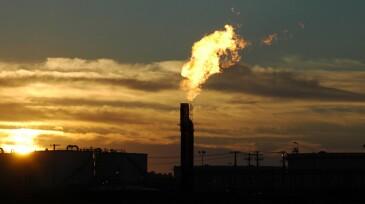
The 2025 report confirms for the second year that the Appalachian Basin has the lowest methane intensity of any major oil and gas basin in the US.

The North Sea Transition Authority has advanced the UK’s plans for carbon storage by approving the drilling of a proposed appraisal well off the coast of Teesside.

Smart Seismic Solutions plans to use 50,000 nodes to examine storage potential for the Greenstore CCS project.
-
 This article explores three key themes for the oil and gas sector: the evolution of methane regulation at the state and federal levels, a preliminary forecast of why and how methane regulation will continue, and practical ways the oil and gas sector can prepare for enhanced enforcement scrutiny.
 -
The companies said they plan to work together on developing geopressured geothermal systems for low-carbon energy storage and geothermal power generation.
-
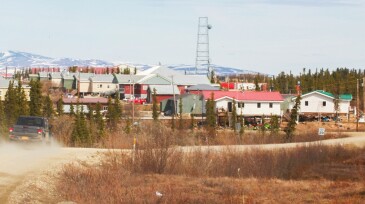
This paper presents collaborative initiatives instigated by of a global energy technology company with indigenous communities. The case studies presented in the paper have the goal of encouraging participation in the workforce as well as encouraging the development of environmental, sustainability, and educational programs.
-
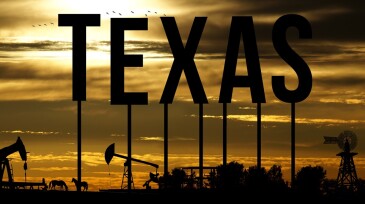
The Texas Railroad Commission is revisiting the state’s primary oil and gas waste regulations, which were last updated in 1984, to better align them with modern industry practices and rising demands for stronger environmental protections.
-
The year, marked by a fatal accident in February, finished with a decrease in accidents and spills.
-
Greenhouse gases are woven into every stage of a well’s life, which presents challenges that demand creative solutions that do not require too much capital.
-
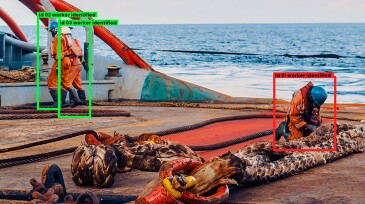
From optimizing drilling performance to enhancing worker safety, computer vision can change how the industry works.
-
The energy world is rapidly changing. The pressure to address climate change, ensure reliable energy supplies, and manage costs is greater than ever.
-
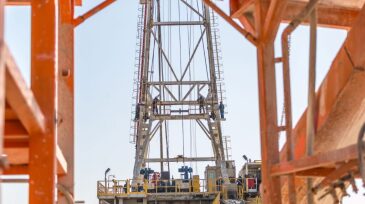
Located 230 km south of Abu Dhabi, the onshore Shah field produces around 70,000 B/D of crude.
-
The plant is designed to capture up to 100,000 tonnes of carbon dioxide annually for the Netherlands-based sustainable energy supplier Twence.