HSE & Sustainability
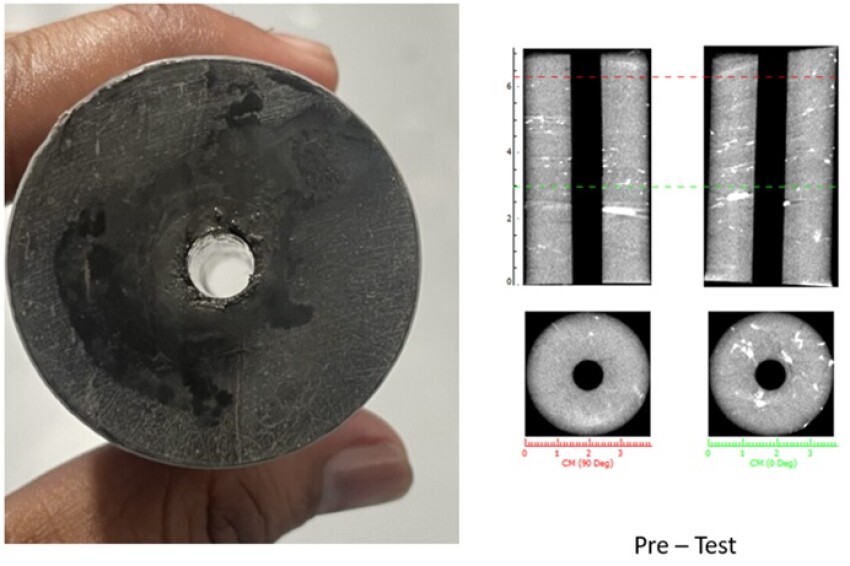
An investigative study examines the use of creeping shale formations as a more durable alternative to conventional cement barriers in carbon dioxide storage wells, potentially enabling safer long-term underground carbon storage.

The companies have released the Event Learning Taxonomy CLUE, which aims to improve the understanding of incidents beyond individual blame and toward clearer reporting and increased learning.
A memorandum of understanding between the companies targets technical services for safety and performance across Egypt’s onshore and offshore assets.
-
 Shell reported it has not observed any signs of oil on the water associated with a fire on the Enchilada platform, located in the US Gulf of Mexico.
 -
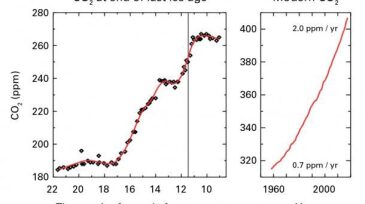
Concentrations of carbon dioxide in the atmosphere surged at a record-breaking speed in 2016 to the highest level in 800,000 years, according to the World Meteorological Organization's Greenhouse Gas Bulletin. The abrupt changes in the atmosphere witnessed in the past 70 years are without precedent.
-
The Oil and Gas Climate Initiative (OGCI) announced on 27 October its first three investments, moving forward the organization’s commitments into concrete action to spur the growth of promising low-carbon technologies.
-
Some companies transporting certain petroleum-based products in British Columbia will have to comply with new spill preparedness and response requirements, after amendments made to the Environmental Management Act (EMA) came into force on 30 October.
-
The Canadian Environmental Assessment Agency has allocated $206,880 in federal funds to 11 recipients to assist their participation in the environmental assessment of the proposed Nexen Energy Flemish Pass Exploration Drilling Project.
-
ExxonMobil announced that it is partnering with two Singapore universities to open a Singapore Energy Center in 2019 to focus on new discoveries and significant improvements to technologies that could enhance energy efficiency and other efforts to mitigate the risks of climate change.
-
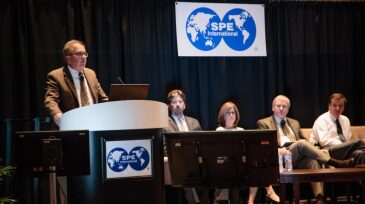
The chair of SPE’s Climate-Change Task Force provides an overview of the process by which it developed the society’s strategy to address the emission goals of the Paris Agreement on Climate Change.
-
A new study from Harvard identifies human capital metrics measured by global companies but determined many companies don’t disclose them on public reports.
-
Hess Corporation has been recognized for climate change stewardship, achieving leadership status in CDP’s 2017 Global Climate Analysis.
-
A task force from The Academy of Medicine, Engineering, and Science of Texas has released a comprehensive analysis of the effects the North American shale boom has had on the environment and communities in Texas.