HSE & Sustainability
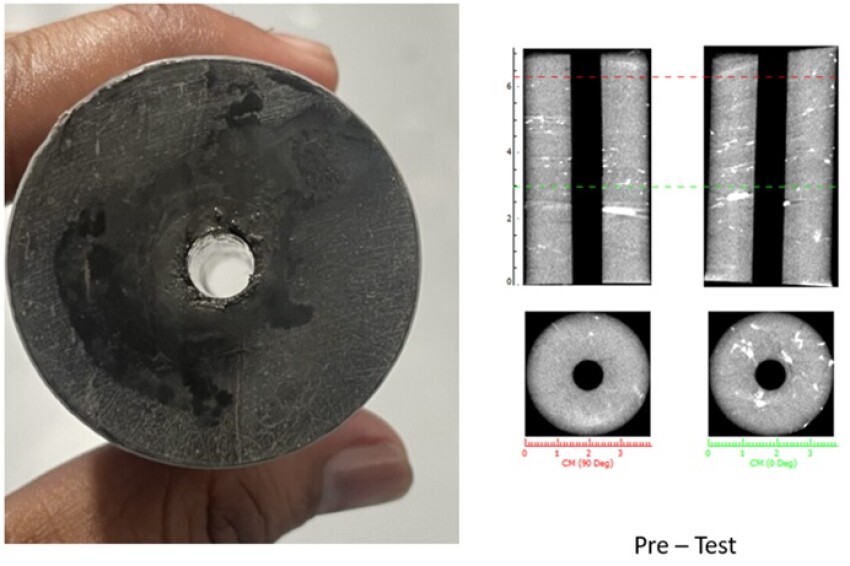
An investigative study examines the use of creeping shale formations as a more durable alternative to conventional cement barriers in carbon dioxide storage wells, potentially enabling safer long-term underground carbon storage.

The companies have released the Event Learning Taxonomy CLUE, which aims to improve the understanding of incidents beyond individual blame and toward clearer reporting and increased learning.
A memorandum of understanding between the companies targets technical services for safety and performance across Egypt’s onshore and offshore assets.
-
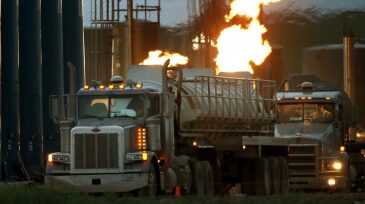
 In recent years there has been a spike of research to determine what the extent of emissions are from fracked oil and gas wells. While much discussion has surrounded methane emissions, a greenhouse gas, less attention has been paid to air toxics.
 -
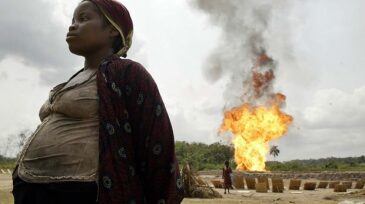
Babies in Nigeria are at double the risk of dying before they reach a month old if mothers lived near the scene of an oil spill before conceiving, study shows.
-
One of the world’s biggest oil companies is working on hundreds of low-carbon energy projects, from algae engineered to bloom into biofuels and cells that turn emissions into electricity.
-
President Donald Trump's administration is considering revising parts of offshore drilling safety regulations intended to prevent the type of blowout that led to the 2010 Deepwater Horizon oil spill.
-
A subcommittee of the SPE Carbon Dioxide Capture, Utilization, and Storage Technical Section has published the Carbon Dioxide Storage Resources Management System document, which establishes technically based capacity and resources evaluation standards.
-
The Oil & Gas Industry Guidance on Voluntary Sustainability Reporting acts as a framework for improving the quality and consistency of voluntary sustainability reporting. This paper discusses the most recent update to the guide, and offers an overview of the discussed social performance indicators.
-
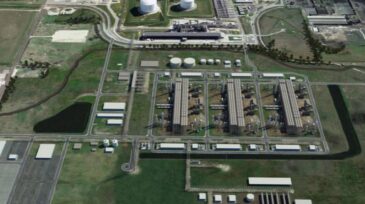
A proactive approach with EPC contract bidders to front-end load HSE strategies will pay dividends. This paper discusses the HSE management strategy for the Lake Charles Liquefied Natural Gas project.
-
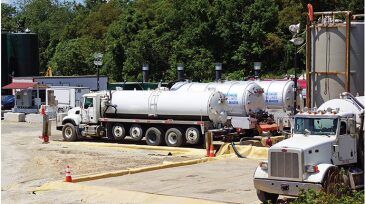
When fracturing slowed last year in the Marcellus, companies holding produced water they did not need for fracturing paid other operators to take it. It provided a cheap source of fracturing water then, and in the future, water trading could reduce the high cost of shipping water.
-
Antero Resources has built a huge plant to turn waste water into fresh water and salt for sale. The $275-million investment in West Virginia is the most tangible indication of how operators in the Marcellus are pushing water reuse.
-
In March 2016, the SPE Board approved moving forward with work on a draft CO2 Storage Resources Management System (SRMS) by a subcommittee of the Carbon Dioxide Capture, Utilization and Storage Technical Section (CCUS). The subcommittee has completed the document which establishes technically-based capacity and resources evaluation standards.