HSE & Sustainability
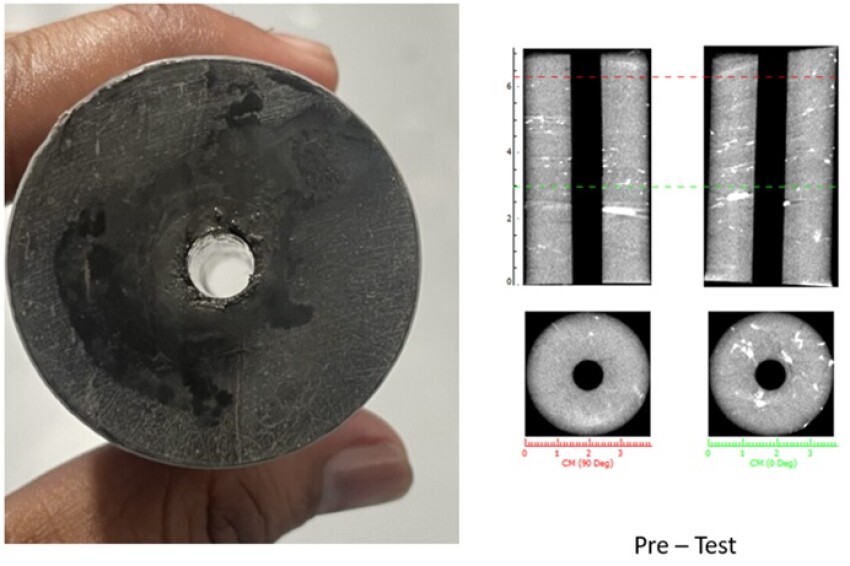
An investigative study examines the use of creeping shale formations as a more durable alternative to conventional cement barriers in carbon dioxide storage wells, potentially enabling safer long-term underground carbon storage.
The companies have released the Event Learning Taxonomy CLUE, which aims to improve the understanding of incidents beyond individual blame and toward clearer reporting and increased learning.
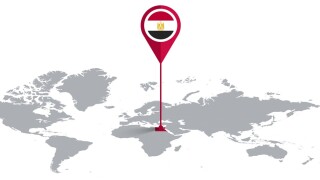
A memorandum of understanding between the companies targets technical services for safety and performance across Egypt’s onshore and offshore assets.
-
 In this study, several process alternatives for the permanent sequestration of carbon dioxide (CO2) as solid carbonates are evaluated.
 -
The Southwest Partnership on Carbon Sequestration (SWP) is one of seven large-scale demonstration projects sponsored by the US Department of Energy.
-
A 3D conceptual model developed by ConocoPhillips helps to outline the company’s water usage for hydraulic fracturing operations in the Eagle Ford.
-
Royal Dutch Shell welcomes the final recommendations set out in a report published on 29 June by the Task Force on Climate-Related Financial Disclosures.
-
Manual tank gauging is a common oilfield activity that has resulted in multiple worker deaths in recent years. By using work practice control, operators can reduce the risks it poses significantly.
-
Officials with the Oklahoma Corporation Commission (OCC) say steps they have taken to reduce the number and severity of earthquakes across Oklahoma seem to be working
-
The oil industry will be able to draw water from the Little Missouri State Scenic River for hydraulic fracturing after North Dakota officials lifted an 8-week-old moratorium on industrial water permits, raising concerns from some conservationists about the effect on the Badlands.
-
This study aimed to investigate the pulmonary functions of silica-exposed workers and their health-related quality of life in an insulator manufacturing industry.
-
Businesses increasingly conduct operations in remote areas where medical evacuation (medevac) carries more risk. Royal Dutch Shell developed a remote healthcare strategy whereby enhanced remote healthcare is made available to the patient through use of telemedicine and telemetry.
-
Speaking at an OESI-HFES joint forum, an expert on situation awareness explains the role it plays in preventing human error in oil and gas operations.