HSE & Sustainability
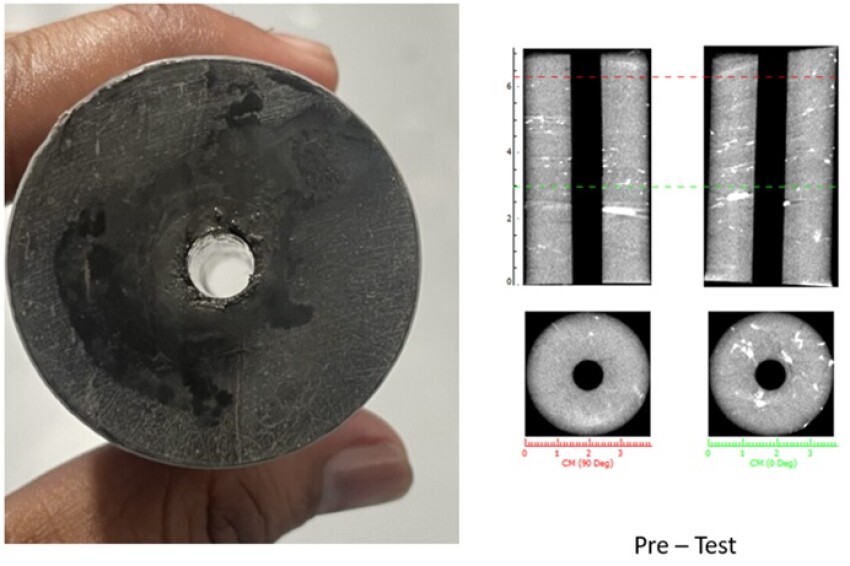
An investigative study examines the use of creeping shale formations as a more durable alternative to conventional cement barriers in carbon dioxide storage wells, potentially enabling safer long-term underground carbon storage.

The companies have released the Event Learning Taxonomy CLUE, which aims to improve the understanding of incidents beyond individual blame and toward clearer reporting and increased learning.
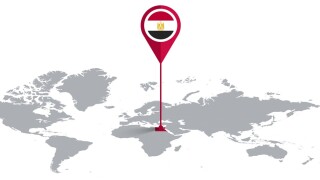
A memorandum of understanding between the companies targets technical services for safety and performance across Egypt’s onshore and offshore assets.
-
 A solar-powered cooled hard hat can reduce the skin temperature of workers by up to 10°C. They will first be issued to workers on construction sites for the 2022 FIFA World Cup Qatar this summer. A solar panel embedded in the top of the helmet powers a fan that draws in hot air, which is cooled by phase change materials and filtered onto the worker's head. Including a…
 -
A NIOSH hygienist examines emerging chemical exposure risks workers faced during drilling, completions, and servicing operations.
-
This paper analyzes water production from horizontal shale wells in five sections of the Wattenberg field in northeastern Colorado. Models were developed for these wells for future water-production prediction and a spatial analysis was also conducted.
-
Has your company or organization invested in carbon offsets? Carbon offsets are proving an important tool for companies that want to reduce the effect of their carbon footprint.
-
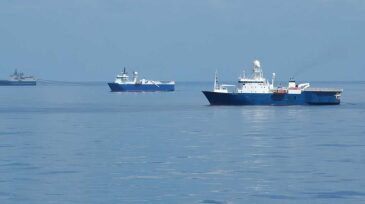
Because marine seismic surveys are critical in finding offshore oil and gas, The International Association of Oil and Gas Producers and the International Association of Geophysical Contractors have collaborated on a position paper that assesses the effect of such work on marine mammals.
-
It’s no secret that some of the planet’s most successful individuals stick to rigorous fitness regimes, which makes sense; the motivation and determination required to push yourself physically are the same skills needed to reach the top of the career ladder.
-
Global, multinational companies often make commitments for local infrastructure as a condition to do business in host countries.
-
Newfield Exploration broke ground on a water recycling facility in the Anadarko Basin in Oklahoma.
-
What is circular economy? A recent multisector symposium on sustainability explored the role of circular economy in bringing about a sustainable future.
-
Nanoparticle catalysts could play a major role in cleaning contaminated water for upstream oil and gas and other industries, says Michael Wong, chair of Rice University’s chemical and biomolecular engineering department.