HSE & Sustainability
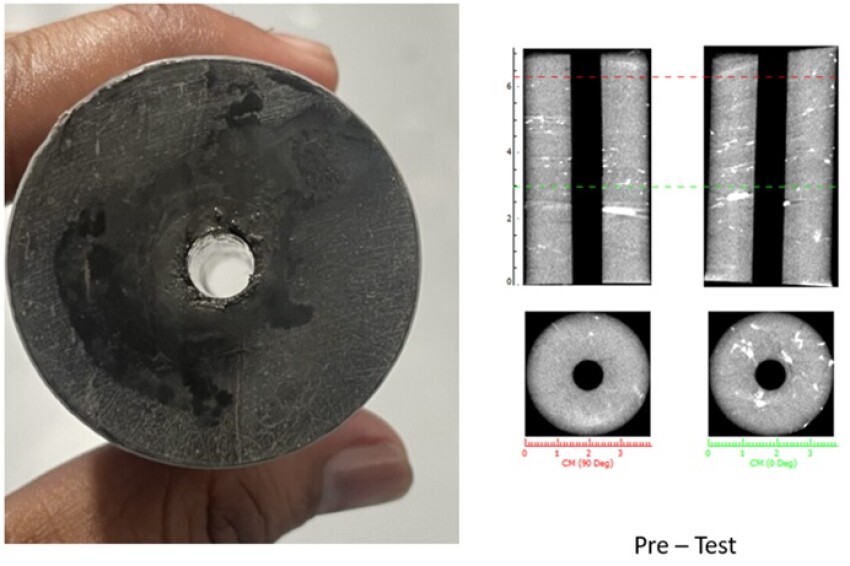
An investigative study examines the use of creeping shale formations as a more durable alternative to conventional cement barriers in carbon dioxide storage wells, potentially enabling safer long-term underground carbon storage.

The companies have released the Event Learning Taxonomy CLUE, which aims to improve the understanding of incidents beyond individual blame and toward clearer reporting and increased learning.

A memorandum of understanding between the companies targets technical services for safety and performance across Egypt’s onshore and offshore assets.
-
The federal government is barred from auctioning off new drilling rights on public lands in California for at least another year under a settlement reached with environmental groups, one of the groups told Bloomberg.
-
 The new economic environment known as “lower for longer” has had no small effect on offshore safety, said a panel of experts at the 2017 Offshore Technology Conference.
 -
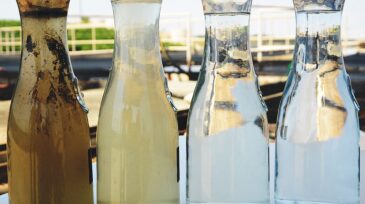
OriginClear agreed to a sales licensing deal for use of its Electro Water Separation technology at a Sinopec-operated shale gas site.
-
Energy Secretary Rick Perry became the latest senior member of President Donald Trump’s administration to publicly advocate for staying in the Paris climate accord, saying the US should renegotiate the deal and push European nations to take on a larger share of emissions reductions.
-
Noise is one of the harmful agents to health that is present in the various branches of economic activity. Hearing loss and tinnitus are among the most frequently reported complaints by workers exposed to occupational noise.
-
Exposure to airborne agents needs to be assessed in the personal breathing zone by the use of personal measurement equipment. Specific measurement devices for assessing personal exposure to airborne nanomaterials have only become available in the recent years.
-
Social responsibility has become a common term but what defines “social performance?” In a globalized economy, with multinational corporate and state actors having a more immediate effect on individual lives than ever before, social performance initiatives should not be viewed as an expendable cost.
-
Three experts from different sectors discussed the challenge of methane and regulation at the first panel session of the 2017 SPE Health, Safety, Security, Environment, and Social Responsibility Conference–North America in New Orleans.
-
A new material under development is highly effective at sieving carbon dioxide from natural gas streams and is also cheap and easy to make, according to researchers.
-
The 2017 SPE Health, Safety, Security, and Social Responsibility Conference–North America started with a blast on 18 April and continued with a discussion of how the brain works and a brain-centric view of safety.