HSE & Sustainability
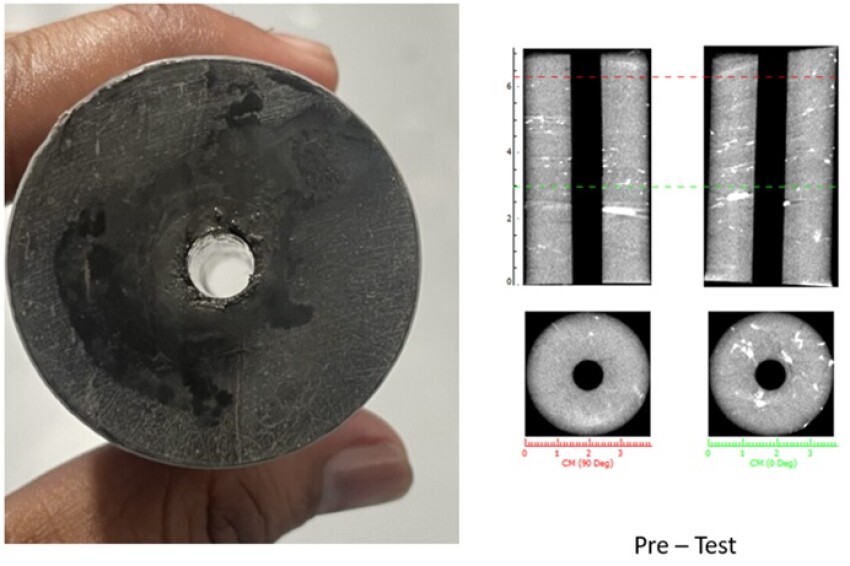
An investigative study examines the use of creeping shale formations as a more durable alternative to conventional cement barriers in carbon dioxide storage wells, potentially enabling safer long-term underground carbon storage.

The companies have released the Event Learning Taxonomy CLUE, which aims to improve the understanding of incidents beyond individual blame and toward clearer reporting and increased learning.
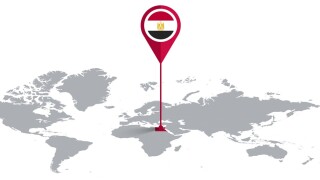
A memorandum of understanding between the companies targets technical services for safety and performance across Egypt’s onshore and offshore assets.
-
 Seismic innovators are working on new sound sources designed to produce better subsurface images while addressing concerns raised by scientists and regulators about the environmental impact of the related noise on sea life.
 -
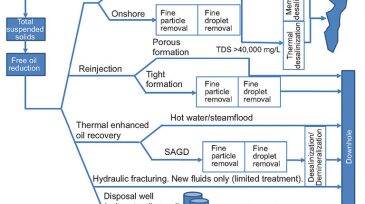
Produced water has become the largest byproduct in the oil and gas industry. Treatment and disposal or reuse of this byproduct requires a good understanding of conditions and options to devise the optimal strategy.
-
In the interest of conservation and sustainability, it is highly desirable to maximize any opportunity to reuse the produced water for subsequent fracturing treatments.
-
This paper reports the completion of a two-lateral well in the Williston basin where produced water (PW), filtered but otherwise untreated, was used throughout the slickwater and crosslinked components of approximately 60 hydraulic-fracturing stages.
-
This paper details the experience of using new stabilized crosslinked-fracturing-fluid systems in the Permian Basin using borated produced water.
-
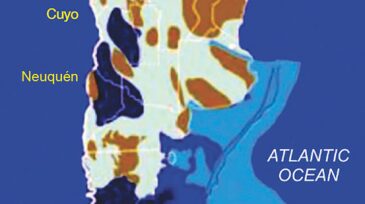
This paper discusses aspects of water logistics necessary during the well-completion phase, fracture-treatment designs applied in Vaca Muerta, and laboratory studies performed on flowback and produced water to help evaluate the potential for water reuse.
-
Researchers at Yale University who analyzed groundwater wells in the Marcellus Shale area have determined that hydraulic fracturing is highly unlikely to be a direct source of contamination.
-
A surge in earthquakes tightly clustered in southern Kansas that followed the large increase in produced water injections prompted the state to cut the daily limits on disposal wells in that area to see if that will help solve the problem.
-
Despite a number of recent and high-profile jetliner crashes, commercial aviation has entered into a new era of safety. There is a lot the oil and gas industry can learn from their success.
-
In the current economic environment, efficient water management practices will become even more essential for companies looking to run successful hydraulic fracturing operations.