HSE & Sustainability
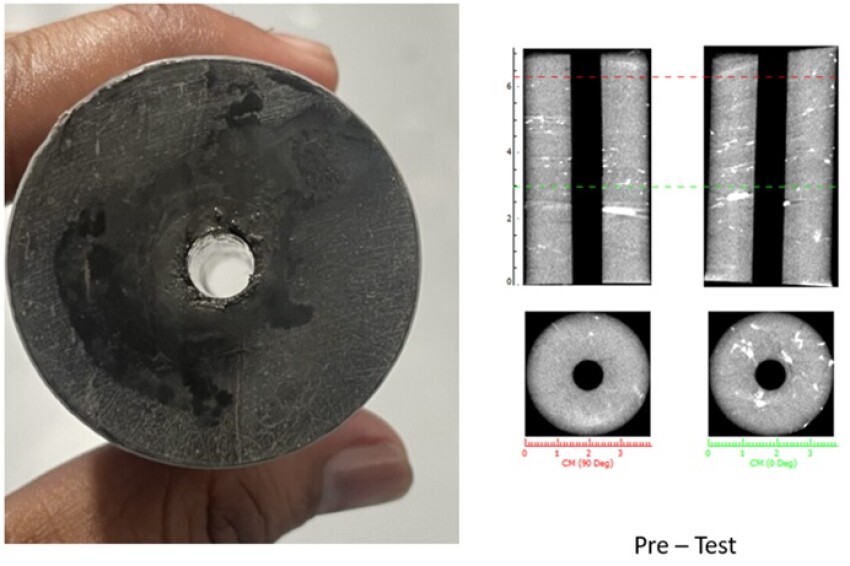
An investigative study examines the use of creeping shale formations as a more durable alternative to conventional cement barriers in carbon dioxide storage wells, potentially enabling safer long-term underground carbon storage.

The companies have released the Event Learning Taxonomy CLUE, which aims to improve the understanding of incidents beyond individual blame and toward clearer reporting and increased learning.
A memorandum of understanding between the companies targets technical services for safety and performance across Egypt’s onshore and offshore assets.
-
 The oil and gas industry must learn to engage with local citizens better if it is to build upon its social license to operate. A joint PFC/HSE luncheon during ATCE addressed this topic.
 -
In a down market, plugging and abandoning North Sea wells looks like an opportunity. The cost for operators is reduced because the government is paying more than half of the cost of the work, and many service companies hungry for work are offering discounts.
-
The SPE Trinidad and Tobago Section recently hosted an Applied Technology Workshop (ATW) on oil and gas effluent discharge management that brought together those responsible for generating effluent discharges, regulators, and those creating treatment technologies
-
There is no denying that the oil and gas industry, as well as the agencies that regulate its activities, have significantly improved many aspects of environmental performance. Despite this progress, there is always more to be done to identify and manage risks associated with oil and gas development.
-
Emissions are in the air and in the headlines every day. With growing regulations around all types of air emissions, are there ways that industry can deploy technologies cost-effectively in the current environment?
-
Nontechnical risks, primarily around HSE or social responsibility, increasingly pose risks to project timelines. To manage these risks, companies are seeking systems that can ensure quality performance in these operational areas.
-
The authors discuss the results of a pilot project to capture post-combustion CO2 for purposes of EOR.
-
The maximum level of process-safety performance an operational asset can attain is set indelibly in the early stages of a project. This is why it is crucial to lay a solid foundation for process safety during design.
-
Today, the industry is faced with entry into frontier areas with little prior published understanding and potentially complex slope and deepwater settings.
-
Hydrogen sulfide (H2S) represents a major hazard in oil and gas production, and the efficient and reliable detection of gas leaks is a critical safety aspect.