HSE & Sustainability

Propelling a proposed CCS project from the drawing board to first carbon storage requires overcoming several hurdles.

The 2025 report confirms for the second year that the Appalachian Basin has the lowest methane intensity of any major oil and gas basin in the US.

The North Sea Transition Authority has advanced the UK’s plans for carbon storage by approving the drilling of a proposed appraisal well off the coast of Teesside.
-
 DNV’s Energy Transition Outlook 2024 projects continued growth in solar; slower growth in wind; and declines in coal, oil, and gas, while hydrogen and carbon capture projects are struggling.
 -
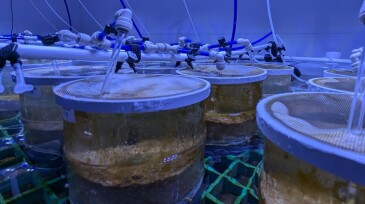
Radioactive elements occur naturally at low levels in oil and gas basins. As oil and gas is extracted, these elements can accumulate in infrastructure. Now, scientists in Australia are investigating the toxicity of different radiation doses to marine organisms.
-
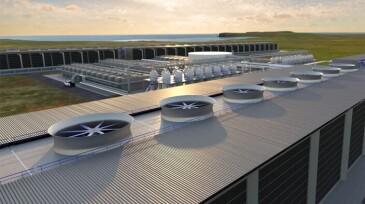
Occidental’s 1PointFive will receive up to $500 million from the Office of Clean Energy Demonstrations for the carbon-capture facility in south Texas.
-
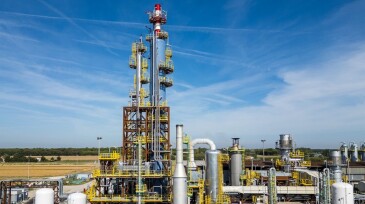
The Ravenna CCS project will capture, transport, and store carbon-dioxide emissions from Eni’s natural gas treatment plant in Casalborsetti, Italy, estimated to be approximately 25,000 tonnes per year.
-
A study out of the University of Texas at Austin highlights the importance of realistic market thresholds, targeted activism, and the potential for certified markets to drive significant environmental improvements in the industry.
-
The new areawide safety plan is a collaboration with Vår Energi and is expected to begin on 1 January.
-
This paper aims to emphasize the importance of decision-making based on quantitative monitoring outputs, from both a business perspective and an ecosystem-service perspective, in future offshore projects.
-
This first of a two-part series provides guidelines for designing and operating advanced produced-water systems on offshore platforms, covering fluid characterization, chemical treatment, equipment, process configuration, operations, and effluent quality.
-
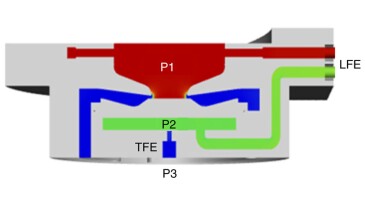
This paper describes installation of autonomous inflow control valves in the Bretaña Norte field in Peru, enabling effective water control even though the trial well was placed in the flank, close to the oil/water contact.
-
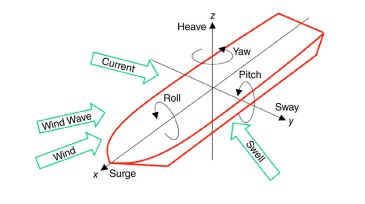
This paper describes a new application that leverages advanced machine-learning techniques in conjunction with metocean forecasts to predict vessel motions and thruster loads.