HSE & Sustainability

Propelling a proposed CCS project from the drawing board to first carbon storage requires overcoming several hurdles.

The 2025 report confirms for the second year that the Appalachian Basin has the lowest methane intensity of any major oil and gas basin in the US.

The North Sea Transition Authority has advanced the UK’s plans for carbon storage by approving the drilling of a proposed appraisal well off the coast of Teesside.
-
 This update highlights efforts to electrify oil and gas assets and deliver clean energy to remote, underserved communities. But the big question remains: Can we really achieve net zero emissions by 2050?
 -
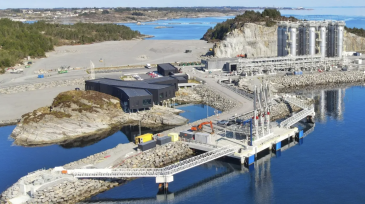
The facility for open-source carbon capture, transport, and storage has been completed.
-
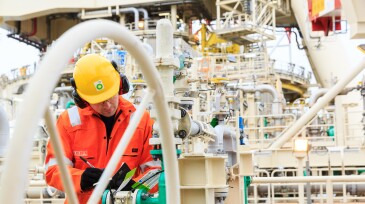
Wearable technology aims to take advantage of hands-free functionality to allow workers to perform their duties while maintaining communication remotely with the control room.
-
The lawsuit claims federal regulators have undermined the Texas oil and gas industry by misusing environmental law, negatively affecting drilling and production.
-
IPIECA and IOGP have released two new guides—a recommended practice for drug testing and a guidance for managing infectious disease outbreaks.
-
Collaboration and technology will help the industry meet its toughest challenges, experts said during the opening session at ATCE.
-
In this exclusive Q&A, Giovanni Cristofoli, senior vice president of bp Solutions, shares insights into how his team is redefining operational strategies and fostering agility to bridge competitive gaps and enhance efficiency. Highlights include the integration of digital tools, data science, and a unified approach to tackling complex problems.
-
Stable policies and economics that encourage development are critical for scaling carbon capture.
-
Chevron CEO Mike Wirth urges more optimistic and balanced conversations regarding the energy transition.
-
SponsoredIncomplete combustion results in harmful emissions like methane and carbon monoxide. Qube Technologies uses continuous-monitoring sensors to detect and address these issues in real time, reducing methane emissions by 61%.