HSE & Sustainability
This paper presents an approach to the identification, selection, and implementation of initiatives for sustainable water management, withdrawal reduction, and water valorization.

This paper explores the application of a modular, high-temperature gas-cooled nuclear reactor to a Very Large Crude Carrier-class floating production, storage, and offloading vessel.

This paper describes the potential of combined-cycle technology (use of a gas turbine and a steam turbine together to turn fuel into electricity) in offshore carbon-capture applications.
-
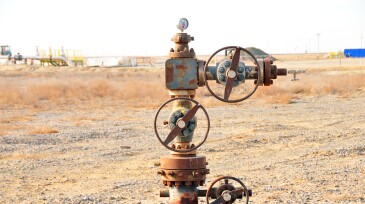
 The DOI guidance explains how states can apply for the first $775 million in grant funding available this year under the Bipartisan Infrastructure Law to create jobs cleaning up polluted and unsafe orphaned oil and gas wellsites across the country.
 -
The company uses unmanned aerial vehicles to measure methane offshore.
-
With Russia’s invasion of Ukraine resulting in lower supplies to oil markets ahead of peak demand season, the International Energy Agency has released a plan that it says can cut global oil demand by 2.7 million BOPD, easing strains and price pain.
-
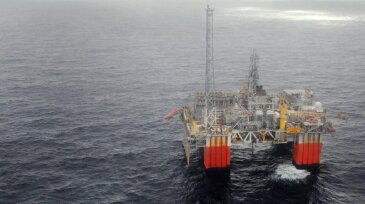
The Norwegian platform was taken off line as a precaution after an undersea earthquake shook the area.
-
Research conducted by Rystad Energy indicates that spending on carbon capture and storage will quadruple in the next 3 years.
-
New lease agreements have secured more than 700 million metric tons of potential CO2 sequestration capacity.
-
Data science plays an increasing role in the fight against climate change. As we use data science to develop innovative solutions to climate change, we should be careful not to replicate, or worsen, existing inequities—or create new ones.
-
Higher bonding amounts and an expanded orphaned well program will fund the cleanup of thousands of aging sites.
-
This marks the first time the Federal Energy Regulatory Commission (FERC) has formally incorporated environmental justice considerations into one of its policies, making environmental justice a matter to be considered systematically in FERC proceedings for certificates of public convenience and necessity.
-
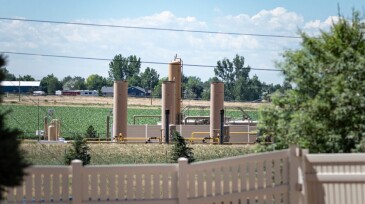
A study in North Dakota found that respiratory illness increased as far as 60 miles away from flaring of natural gas.