HSE & Sustainability
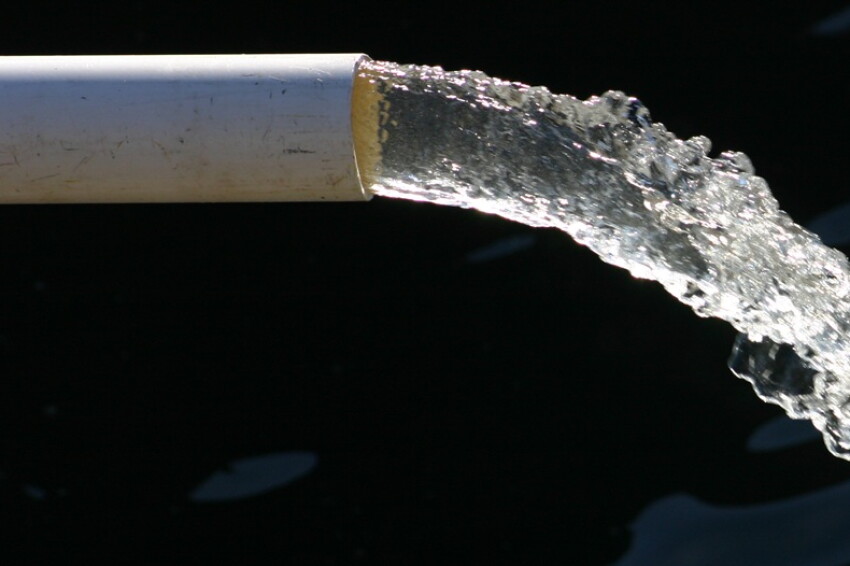
This paper presents an approach to the identification, selection, and implementation of initiatives for sustainable water management, withdrawal reduction, and water valorization.

This paper explores the application of a modular, high-temperature gas-cooled nuclear reactor to a Very Large Crude Carrier-class floating production, storage, and offloading vessel.

This paper describes the potential of combined-cycle technology (use of a gas turbine and a steam turbine together to turn fuel into electricity) in offshore carbon-capture applications.
-
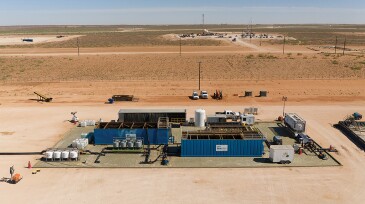
 When it comes to produced water from US shale plays, it’s either recycle and reuse or throw it away—and both are easier said than done.
 -
The authors write that polymeric additives are effective in the design of complex systems to house important chemical reagents under challenging conditions.
-
While uncertainties remain for the coming year, there is also optimism for the upstream industry, a welcome prospect following two sharp downcycles in less than 6 years.
-
Selling reservoirs’ empty pore space may become a new, big business.
-
The plan includes the development and operation of a first-of-its-kind high-voltage, direct-current (HVDC-VSC) subsea transmission system in the Middle East and North Africa region.
-
If you’ve lived in areas with cold winters—really cold winters—you’ll applaud this research. It holds the potential to further the goal of decarbonization of the building industry plus improve comfort.
-
Natural gas delivered as LNG to growing economies in Asia has a strong role to play in achieving net zero in carbon emissions, and most of that gas will come from unconventional resources.
-
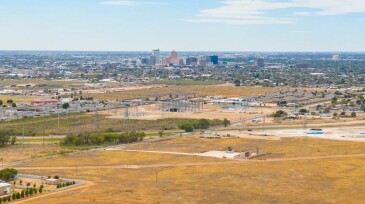
Operators will not be able to inject wastewater below 10,000 ft in the Gardendale area.
-
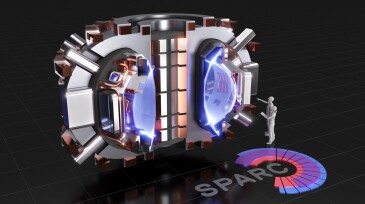
New investment, maturity in nuclear fusion technology could be the key to meeting lofty emissions goals.
-
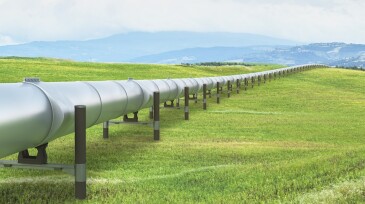
While the world focuses on carbon dioxide—its problems and its uses—many are looking at how to move it around. Fortunately, a pipeline infrastructure already exists. Unfortunately, the pipelines were made for natural gas and not enough is known about how that infrastructure can handle carbon dioxide.