HSE & Sustainability
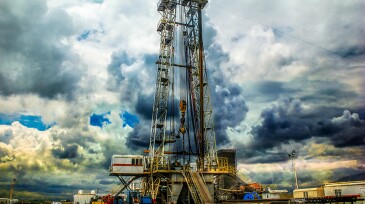
The Pawnee Carbon Sequestration Project, which would use a repurposed well, is planned to capture and store up to 400,000 tonnes of carbon dioxide, with first injection targeted for early 2027.

DNV notes that energy and industrial process-related carbon emissions will have dropped by 2050 by only 44% from today’s level, not even halfway to the net-zero pledge envisioned by the Paris climate agreement.

SPE's new Asset Integrity Technical Section brings together industry experts to advance best practices in reliability engineering, asset integrity, risk reduction, and infrastructure performance. The global community will focus on the safe, reliable, and sustainable operation of energy assets across both traditional and emerging energy sectors.
-
 A final investment decision is also expected by the end of the year for the company’s first low-carbon data center project.
-
The company said its frequency of serious incidents was down at the end of the year from its levels at the end of 2024.
-
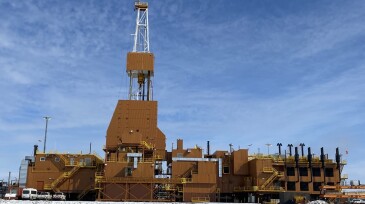
The Doyon 26 drilling rig, reportedly the largest mobile land rig in North America, fell on its side while being transported in Alaska’s North Slope, sending eight people to area clinics for treatment of non-life-threatening injuries.
-
Damage to power distribution systems prompted precautionary shutdowns at two major oil fields.
-
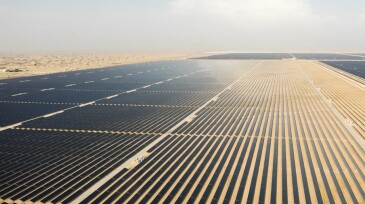
The report says the capacity of renewables in the region is set to grow tenfold by 2040 as electricity demand and new sectors drive rapid solar and wind expansion.
-
The North Sea Transition Authority has updated its UKCS Well Applications and Consents Guidance to include the process for applying for consent to drill carbon-storage wells.
-
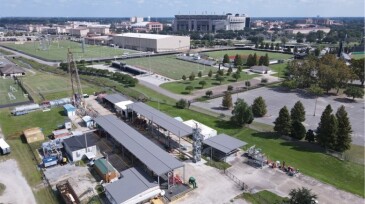
For more than a century, LSU has shaped petroleum engineering education, but few assets showcase its impact like the PERTT Lab. With six deep test wells and rare reservoir-depth gas-injection capabilities, the facility is helping drive breakthroughs in well control, carbon-dioxide injection, and next-generation energy technologies.
-
This study identifies critical knowledge gaps in wellbore integrity and underscores areas that require further investigation, providing insights into how wellbores must evolve to meet the technical demands of the energy transition.
-
This study illustrates the new capabilities, tailored for carbon-dioxide storage applications, of a modeling framework that provides a quantitative, risk-based assessment of the long-term integrity of legacy plugged and abandoned wells.
-
This paper examines how real-time monitoring can improve both incident prevention and emergency response in the oil and gas industry. Drawing from real-world examples and case studies, it provides practical strategies for implementing this technology effectively.