HSE & Sustainability
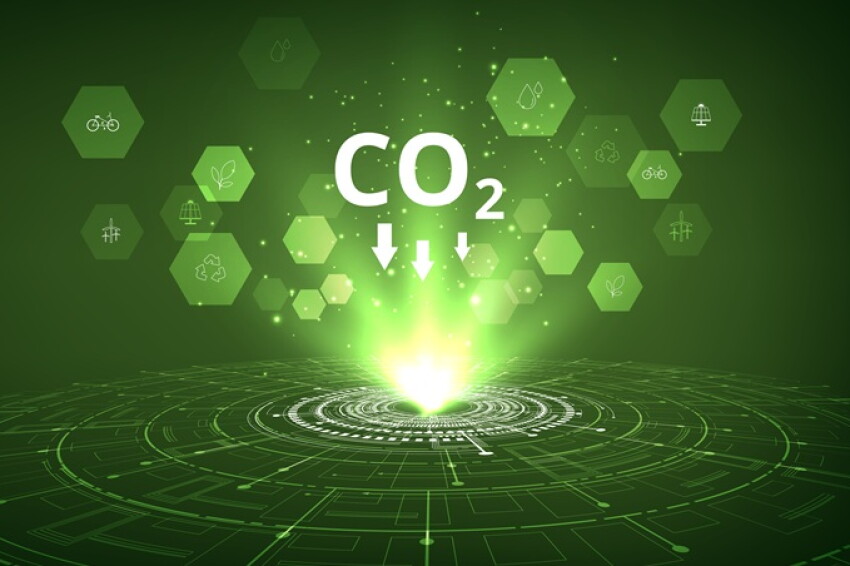
The Pawnee Carbon Sequestration Project, which would use a repurposed well, is planned to capture and store up to 400,000 tonnes of carbon dioxide, with first injection targeted for early 2027.

DNV notes that energy and industrial process-related carbon emissions will have dropped by 2050 by only 44% from today’s level, not even halfway to the net-zero pledge envisioned by the Paris climate agreement.

SPE's new Asset Integrity Technical Section brings together industry experts to advance best practices in reliability engineering, asset integrity, risk reduction, and infrastructure performance. The global community will focus on the safe, reliable, and sustainable operation of energy assets across both traditional and emerging energy sectors.
-
 The complete paper focuses on sources of produced water from conventional and unconventional onshore oil and gas operations and addresses the challenges and opportunities associated with reusing the produced water.
-
A global trend has developed toward the application of risk-based assessment (RBA) techniques for managing environmental risks and considering potential effects of produced-water (PW) discharge.
-
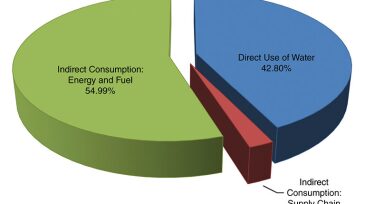
Sustainable water management should encompass current management of water resources as well as its potential effect on the future. Sustainable water management in oil and gas is a journey that will need approaches from many perspectives.
-
The complete paper discusses the steps taken by Repsol in Peru in accordance with its environmental strategy to become certified for the Blue Certificate granted by ANA to companies that efficiently manage water in their operations and manage shared-value projects with their stakeholders.
-
The scope of the complete paper is limited to the 14% renewable energy target in transport and its possible effect on the Middle East.
-
Oil and gas producers in Europe commit to reporting emissions, but major US firms do not.
-
A system was designed to extend the offshore wind-energy concept from the power grid to a subsea field-development application. The system integrates a floating foundation with a wind-turbine generator, with all the required utilities hosted directly onboard the same floater.
-
The practice of burning off natural gas is relatively rare in Colorado, but tough rules on flaring and venting may help the state meet greenhouse gas reduction goals.
-
Smartphone apps can help workers manage their own personal health information.
-
Canada’s methane emissions from the oil and gas sector in Alberta and Saskatchewan are almost twice as high as had been previously reported, according to a new study by federal government scientists.