HSE & Sustainability
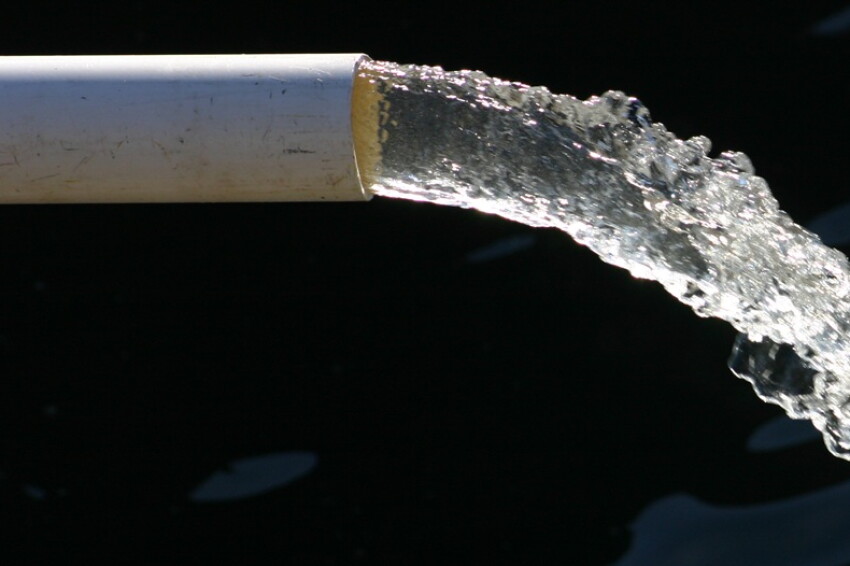
This paper presents an approach to the identification, selection, and implementation of initiatives for sustainable water management, withdrawal reduction, and water valorization.

This paper presents an experiment investigating dissolution of basaltic primary minerals and conditions favorable for secondary phase formation under deep subsurface storage conditions.

This study aims to investigate the efficacy of chemical additives strontium chloride and barium hydroxide in accelerating CO₂ trapping mechanisms, their effect on dissolution of carbonate-bearing minerals, and resulting poroelastic changes in the host rock.
-
 The ruling means the state will take over permitting and enforcement of EPA regulations pertaining to all classes of wells, including injection wells for carbon dioxide storage.
 -
Petronas CCS Ventures receives Malaysia’s first offshore assessment permit for carbon capture and storage in the Duyong field offshore Peninsular Malaysia.
-
SponsoredAdvance your career with the new Pipeline Engineering Program at the Technical University of Leoben, a 5-month course combining on-campus and online learning, integrating industry expertise, engineering practice, and future-ready skills for professionals in oil, gas, and emerging energy systems.
-
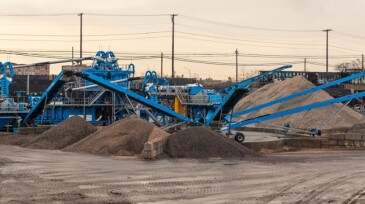
The growing adoption of soil washing is driven by stricter environmental regulations and advancements in technology, which enhance its efficiency and cost-effectiveness.
-
Regulators pull from experiences in the oil and gas industry to define best stewardship practices for the nascent CCS industry.
-
Growing energy transition investment highlights oil and gas technologies as key enablers.
-
EERC CEO Charles Gorecki outlines how applied research in North Dakota is helping improve oil recovery, reduce emissions, and advance carbon storage.
-
2025 has seen an 81% year-on-year rise in the number of small modular reactor designs to have secured at least one source of funding or a funding commitment.
-
This article is the fifth in a Q&A series from the SPE Research and Development Technical Section focusing on emerging energy technologies. In this edition, Shantanu Agarwal, founder and CEO of Mati Carbon, discusses how the company’s approach to carbon removal led to winning the Musk Foundation’s XPRIZE in 2025.
-
The report from the Oil and Gas Climate Initiative presents data showing that its 12 member companies have reduced aggregate upstream methane intensity by 62%, routine flaring by 72%, and carbon intensity by 24% since 2017.