HSE & Sustainability
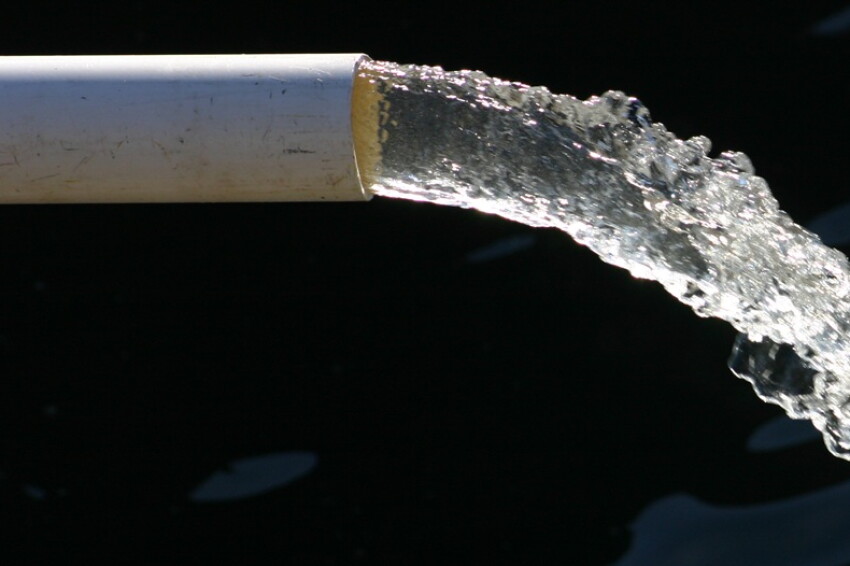
This paper presents an approach to the identification, selection, and implementation of initiatives for sustainable water management, withdrawal reduction, and water valorization.

This paper explores the application of a modular, high-temperature gas-cooled nuclear reactor to a Very Large Crude Carrier-class floating production, storage, and offloading vessel.

This paper describes the potential of combined-cycle technology (use of a gas turbine and a steam turbine together to turn fuel into electricity) in offshore carbon-capture applications.
-
 The platform, created by DrillingVR and safety group DROPS, has been designed to present online space for collaboration, meetings, and learning about dropped-object prevention.
 -
Can safety professionals leverage the spotlight on the profession to push correction and compliance?
-
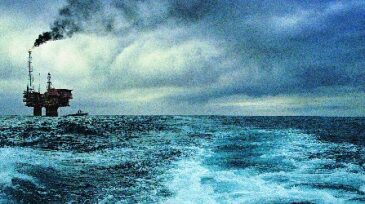
The UK’s offshore oil and gas industry has committed to halving operational emissions in the next decade, confirming its pathway to becoming a net-zero emissions basin by 2050.
-
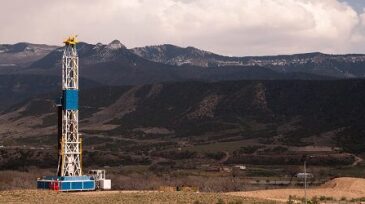
The Colorado Oil and Gas Conservation Commission approved new rules governing well construction, testing, and related matters, which the agency says will result in the strongest rules nationwide to protect groundwater from contamination from oil and gas activity.
-
US Department of Agriculture Secretary Sonny Perdue ordered the US Forest Service to expedite environmental reviews on its land, paving the way for more grazing, logging, and oil development on public lands.
-
For successful development and execution, renewables—as with other capital projects —require diligent opportunity shaping. Five key steps for shaping renewable energy projects are discussed.
-
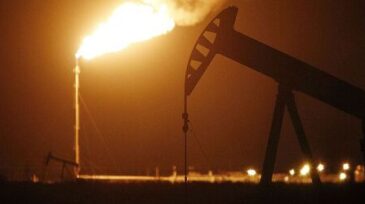
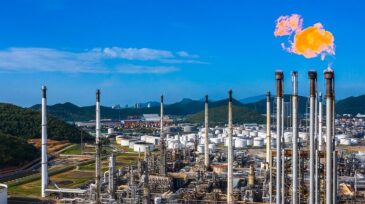
The Texas Railroad Commission’s chairman has said the commission will look into policies to “drastically reduce” natural gas flaring from the state’s shale patch as investors become increasingly sensitive to climate-change concerns.
-
In almost all organizations, incidents are analyzed and lessons learned are identified. While many hard-won performance improvements have been delivered over the long term, achieving the next level of performance will require more than just incremental improvements.
-
Recommendations include changes to current forms and reports used to track flaring.
-
A billion-dollar fund will be available for innovations in flare minimization, venting elimination, fugitive-emissions reduction, and complete combustion.