HSE & Sustainability
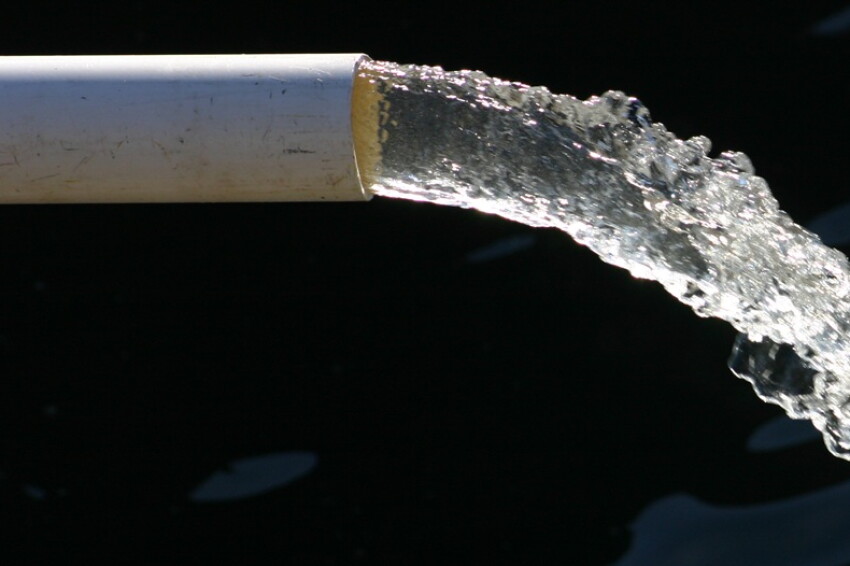
This paper presents an approach to the identification, selection, and implementation of initiatives for sustainable water management, withdrawal reduction, and water valorization.

This paper explores the application of a modular, high-temperature gas-cooled nuclear reactor to a Very Large Crude Carrier-class floating production, storage, and offloading vessel.

This paper describes the potential of combined-cycle technology (use of a gas turbine and a steam turbine together to turn fuel into electricity) in offshore carbon-capture applications.
-
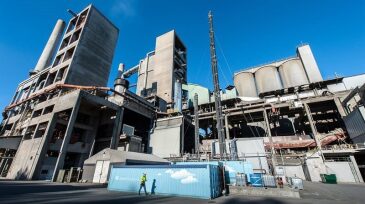
 The cement industry is exploring carbon capture technology to reduce its carbon footprint.
 -
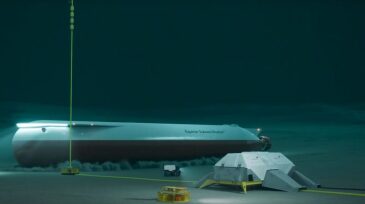
A new idea from Equinor calls for autonomous submarines to transport CO2 from the surface to the seabed. The Norwegian operator says the shuttles could also carry oil and water for injection.
-
Indonesia is home to numerous oil and gas fields, and upstream oil and gas activities are integral to the country's economic growth. Here are the key regulatory changes in response to the COVID-19 pandemic affecting Indonesia's oil and gas sector.
-
Water is precious, and it is a factor in every aspect of oil production in the Permian Basin. It is used to produce the hydrocarbons, and it is produced with them. In the often-arid region of the Permian, finding a balance between water production and use can be a challenge.
-
A recent test proved the feasibility of using LiDAR on remote-controlled drones to create 3D maps of the inside of tanks, increasing the safety and efficiency of inspections.
-
Machine learning enables fast, cost-effective, and accurate methane emissions detection in remote areas.
-
Goal is to reduce plant emissions profile and boost sustainability in production.
-
Write-offs include billions for early-exploration-stage projects that the company will now cut.
-
The oil and gas industry was created by fierce entrepreneurs, wildcatters, and visionaries. But, in the last 50 years, it has lost its way. The industry desperately needs a paradigm shift. Here are four pillars upon which we think the reinvention of the oil and gas industry should be based.
-
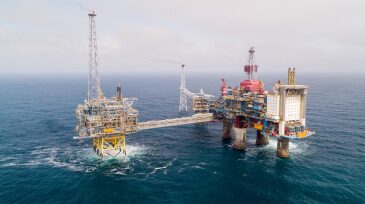
Sleipner’s share in net-zero emissions savings will be more than 150,000 tonnes per year.