HSE & Sustainability
The Pawnee Carbon Sequestration Project, which would use a repurposed well, is planned to capture and store up to 400,000 tonnes of carbon dioxide, with first injection targeted for early 2027.

DNV notes that energy and industrial process-related carbon emissions will have dropped by 2050 by only 44% from today’s level, not even halfway to the net-zero pledge envisioned by the Paris climate agreement.

SPE's new Asset Integrity Technical Section brings together industry experts to advance best practices in reliability engineering, asset integrity, risk reduction, and infrastructure performance. The global community will focus on the safe, reliable, and sustainable operation of energy assets across both traditional and emerging energy sectors.
-
 Past price crashes have produced widespread layoffs and bankruptcies, sunk local real estate markets, and drained public funding for years. This time around, local officials and analysts say it could be even worse.
-
This paper presents a structured approach to human factors, focusing on the early identification of interactions between people and their working environment beginning from the conceptual and front-end engineering phases of capital projects.
-
Two former SPE presidents, Nathan Meehan and Darcy Spady, and SPE board member Johana Dunlop have contributed their thoughts on continued efforts toward decarbonization amid an oil price war and a global pandemic.
-
An expert panel moderated by Johana Dunlop, SPE technical director for HSE and sustainability, covers a wide range of issues facing the double crisis of COVID-19 and historically low crude prices.
-
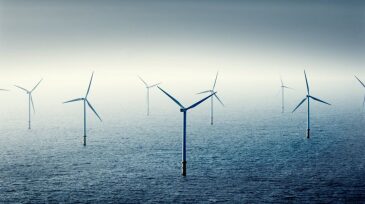
The Norwegian wind farm is expected to start up in 2022. The wind farm is also expected to create spinoff effects during the project’s life.
-
Industry representative body Oil and Gas UK and safety organization Step Change in Safety have coproduced a series of films to address the concerns of thousands of workers traveling offshore during the coronavirus pandemic.
-
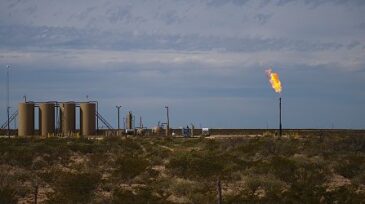
The combined effect of COVID-19 and an ongoing oil price war has ushered in one of the worst downturns for the energy industry in modern history. Yet, a bright side is shining through; flaring levels in the Permian Basin have fallen sharply and will continue to decline, a Rystad Energy report shows.
-
Methane, a powerful greenhouse gas, is leaking from industry sites at rates equivalent to the annual carbon emissions of France and Germany combined, a new analysis using satellite data shows.
-
Most states are involved in the actual day-to-day work of enforcing environmental permitting programs based on federal rules and policies. While some states plan to defer to the EPA’s latest guidance, others indicated they will not.
-
The company’s departure from the Independent Petroleum Association of America is in line with its climate roadmap.