HSE & Sustainability
The Pawnee Carbon Sequestration Project, which would use a repurposed well, is planned to capture and store up to 400,000 tonnes of carbon dioxide, with first injection targeted for early 2027.

DNV notes that energy and industrial process-related carbon emissions will have dropped by 2050 by only 44% from today’s level, not even halfway to the net-zero pledge envisioned by the Paris climate agreement.

SPE's new Asset Integrity Technical Section brings together industry experts to advance best practices in reliability engineering, asset integrity, risk reduction, and infrastructure performance. The global community will focus on the safe, reliable, and sustainable operation of energy assets across both traditional and emerging energy sectors.
-
 One of the big stumbling blocks when it comes to properly handling North Dakota’s substantial tonnage of radioactive wastes has been the time it takes for an accurate test of how much Radium 226 and 228 are present in a given load of the material.
-
An advisor at Newfield Exploration takes a closer look at the company’s water management operations in the Oklahoma STACK, as well as the lessons learned in its development.
-
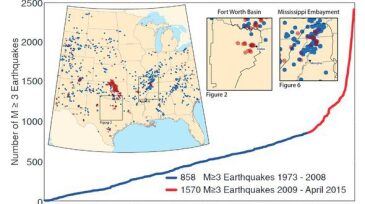
For 300 million years faults showed no activity, and then wastewater injections from oil and gas wells came along.
-
Southwest Research Institute has developed a leak detection system to autonomously monitor pipelines for hazardous chemical spills. R&D Magazine recently recognized the system as one of the 100 most significant innovations of 2017.
-
The Extractive Industries Transparency Initiative has little impact on the US domestic oil and gas industry but has been transformative in some parts of the world. So why did the US pull out?
-
Secrecy lies at the heart of invention and capitalism to reward innovators with exclusive rights to their creations. But that secrecy can also come at a cost. With drilling and fracturig, the ingredients and chemicals used to obtain oil and gas are legally allowed to be kept confidential.
-
According to the National Institute for Occupational Safety and Health, which recently released a report on 2014 oil and gas fatalities, 18% of the 101 deaths for the year were the result of roadway vehicle accidents.
-
Fernando L. Benalcazar, a senior adviser with APD Proyectos in Ecuador, launched the first Distinguished Lecturer tour in the US presented by a Sustainable Development Technical Section board member.
-
Safety barriers need to be implemented in an integrated and consistent manner in order to minimize risk, and technical, organizational, and operational aspects of the barriers need to be considered.
-
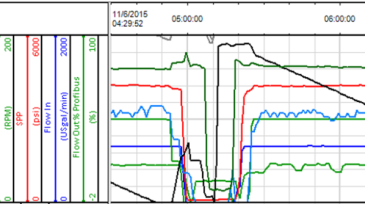
Exception-based monitoring of real-time data by remote operators can increase operational awareness of drilling crews, which can significantly minimize well-control risks by taking proactive and precise actions.