HSE & Sustainability
The Pawnee Carbon Sequestration Project, which would use a repurposed well, is planned to capture and store up to 400,000 tonnes of carbon dioxide, with first injection targeted for early 2027.

DNV notes that energy and industrial process-related carbon emissions will have dropped by 2050 by only 44% from today’s level, not even halfway to the net-zero pledge envisioned by the Paris climate agreement.

SPE's new Asset Integrity Technical Section brings together industry experts to advance best practices in reliability engineering, asset integrity, risk reduction, and infrastructure performance. The global community will focus on the safe, reliable, and sustainable operation of energy assets across both traditional and emerging energy sectors.
-
 Last year, SPE created a task force to study the topic of climate change and to determine if a public position statement should be created. After a year-long review, it recommended that we not develop a statement on climate change, which was accepted by the SPE Board of Directors in March.
-
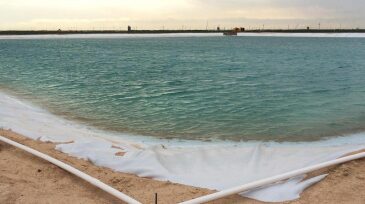
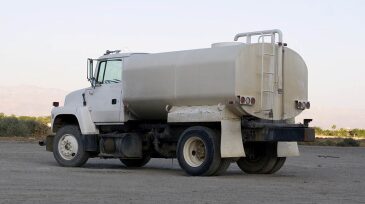
As oil prices recover from the low point of the downturn, operators in the Permian and the Bakken are tackling water management issues.
-
The Environmental Protection Agency (EPA) has halted an Obama administration rule to cut down on pollution of methane, a greenhouse gas produced at oil and natural gas drilling wells.
-
If an organization has a culture that implicitly or explicitly rewards short-term productivity, what happens to safety numbers? Up or down? And why is that?
-
The global oil giant Shell is concealing data showing thousands of Nigerians are exposed to health hazards from a stalled cleanup of the worst oil spills in the nation’s history, a German geologist contracted by the multinational has said.
-
This paper describes the sociodemographic, occupational, and health characteristics of “green collar” workers, a vital and emerging workforce in energy-efficiency and sustainability.
-
The aim of this study was to examine the relationship between body mass index (BMI) and occupational musculoskeletal injury rates, and the statistical interaction between BMI and occupational exposure to musculoskeletal hazards.
-
The Texas Supreme Court ruled late in April that the Railroad Commission of Texas, the state’s oil and gas regulator, does not have exclusive jurisdiction over environmental contamination cases, which can be settled in court.
-
A federal court on 18 May formally paused a lawsuit over an Obama administration methane regulation.
-
Water management for upstream will transform over the next few years. In many cases, more-effective water management will only be possible with water infrastructure.