HSE & Sustainability
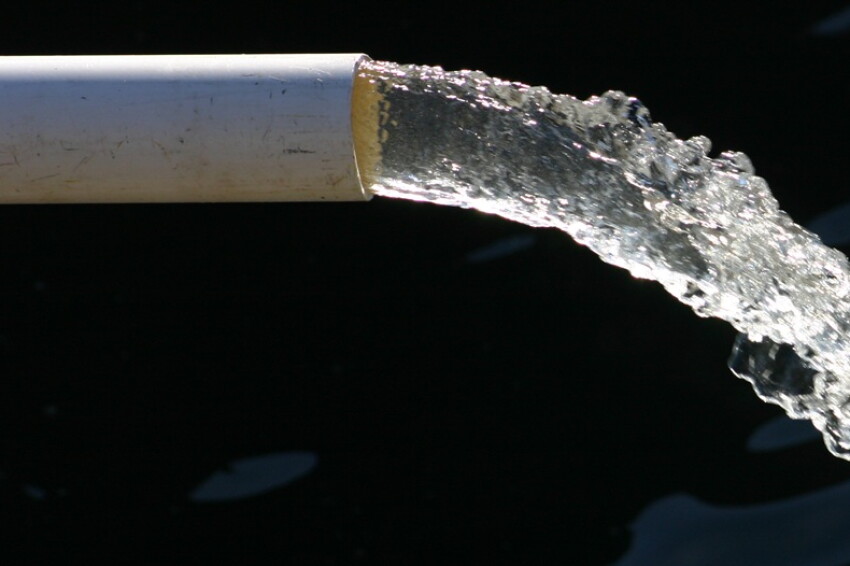
This paper presents an approach to the identification, selection, and implementation of initiatives for sustainable water management, withdrawal reduction, and water valorization.

This paper presents an experiment investigating dissolution of basaltic primary minerals and conditions favorable for secondary phase formation under deep subsurface storage conditions.

This study aims to investigate the efficacy of chemical additives strontium chloride and barium hydroxide in accelerating CO₂ trapping mechanisms, their effect on dissolution of carbonate-bearing minerals, and resulting poroelastic changes in the host rock.
-
 The oil and gas industry must learn to engage with local citizens better if it is to build upon its social license to operate. A joint PFC/HSE luncheon during ATCE addressed this topic.
 -
There is no denying that the oil and gas industry, as well as the agencies that regulate its activities, have significantly improved many aspects of environmental performance. Despite this progress, there is always more to be done to identify and manage risks associated with oil and gas development.
-
Emissions are in the air and in the headlines every day. With growing regulations around all types of air emissions, are there ways that industry can deploy technologies cost-effectively in the current environment?
-
In a down market, plugging and abandoning North Sea wells looks like an opportunity. The cost for operators is reduced because the government is paying more than half of the cost of the work, and many service companies hungry for work are offering discounts.
-
The SPE Trinidad and Tobago Section recently hosted an Applied Technology Workshop (ATW) on oil and gas effluent discharge management that brought together those responsible for generating effluent discharges, regulators, and those creating treatment technologies
-
Nontechnical risks, primarily around HSE or social responsibility, increasingly pose risks to project timelines. To manage these risks, companies are seeking systems that can ensure quality performance in these operational areas.
-
The authors discuss the results of a pilot project to capture post-combustion CO2 for purposes of EOR.
-
This paper provides a first-hand perspective on the appropriate handling of nanomaterials in a laboratory setting.
-
Airborne imaging spectroscopy has evolved dramatically since the 1980s as a robust remote-sensing technique used to generate 2D maps of surface properties over large areas.
-
The Barzan Gas Project is a critical program to deliver natural gas to Qatar’s future industries.