HSE & Sustainability
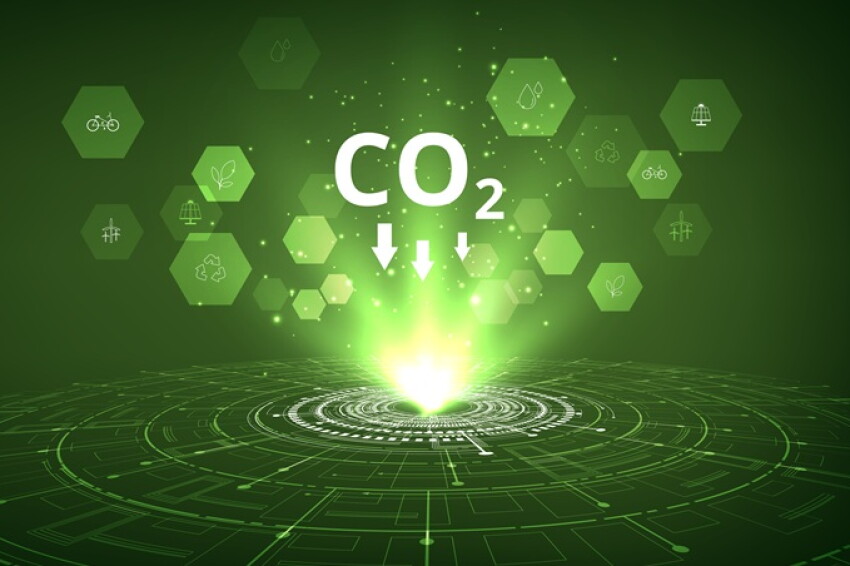
The Pawnee Carbon Sequestration Project, which would use a repurposed well, is planned to capture and store up to 400,000 tonnes of carbon dioxide, with first injection targeted for early 2027.

DNV notes that energy and industrial process-related carbon emissions will have dropped by 2050 by only 44% from today’s level, not even halfway to the net-zero pledge envisioned by the Paris climate agreement.

SPE's new Asset Integrity Technical Section brings together industry experts to advance best practices in reliability engineering, asset integrity, risk reduction, and infrastructure performance. The global community will focus on the safe, reliable, and sustainable operation of energy assets across both traditional and emerging energy sectors.
-
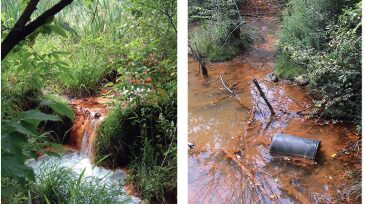
 Polluted streams in Pennsylvania could provide a source of water for hydraulic fracturing and help prove a new way to clean up waterways contaminated by coal mine waste.
-
This is the fourth article of a series covering water management in hydraulic fracturing (HF) in unconventional resources. This article discusses the use of mechanical vapor compression (MVC) as a desalination technology.
-
A growing number of alternatives for treating flowback water enable operators to meet the requirements for discharge or reuse of the water in the fracturing fluid, a scientist said recently.
-
In one Saudi Aramco offshore oil field, the production from different platforms is transported to an onshore gas/oil-separation plant (GOSP) where the produced water is removed from the hydrocarbon stream.
-
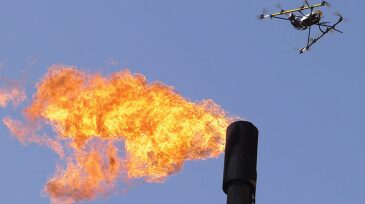
Unmanned aircraft are finding their place in the oil and gas industry by providing aerial geologic modeling to address reservoir-related challenges and making inspections safer.
-
Many segments of the oil and gas production industry need improvements in water filtration over traditional methods.
-
This is the third article of a series on water management for hydraulic fracturing in unconventional resources. This month, water treatment technologies are introduced, beginning with the removal of suspended solids by coagulation/flocculation and electrocoagulation for recycling flowback fluids.
-
A range of external expectations exists for companies to demonstrate how they respect human rights, including having business processes in place to prevent or mitigate human rights issues caused by the company’s projects or operations.
-
ExxonMobil has traditionally used industry standards driven by the US Occupational Safety and Health Administration (OSHA) to classify safety events on the basis of the treatment or restrictions provided. However, this treatment-based approach has limitations.
-
A metric based on a corrective-action-classification system initially appeared to be a valuable leading indicator for management purposes.