HSE & Sustainability
The Pawnee Carbon Sequestration Project, which would use a repurposed well, is planned to capture and store up to 400,000 tonnes of carbon dioxide, with first injection targeted for early 2027.

DNV notes that energy and industrial process-related carbon emissions will have dropped by 2050 by only 44% from today’s level, not even halfway to the net-zero pledge envisioned by the Paris climate agreement.

SPE's new Asset Integrity Technical Section brings together industry experts to advance best practices in reliability engineering, asset integrity, risk reduction, and infrastructure performance. The global community will focus on the safe, reliable, and sustainable operation of energy assets across both traditional and emerging energy sectors.
-
 A study out of the University of Texas at Austin highlights the importance of realistic market thresholds, targeted activism, and the potential for certified markets to drive significant environmental improvements in the industry.
-
The new areawide safety plan is a collaboration with Vår Energi and is expected to begin on 1 January.
-
This paper aims to emphasize the importance of decision-making based on quantitative monitoring outputs, from both a business perspective and an ecosystem-service perspective, in future offshore projects.
-
This first of a two-part series provides guidelines for designing and operating advanced produced-water systems on offshore platforms, covering fluid characterization, chemical treatment, equipment, process configuration, operations, and effluent quality.
-
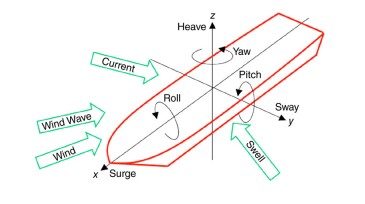
This paper describes a new application that leverages advanced machine-learning techniques in conjunction with metocean forecasts to predict vessel motions and thruster loads.
-
This paper describes installation of autonomous inflow control valves in the Bretaña Norte field in Peru, enabling effective water control even though the trial well was placed in the flank, close to the oil/water contact.
-
This update highlights efforts to electrify oil and gas assets and deliver clean energy to remote, underserved communities. But the big question remains: Can we really achieve net zero emissions by 2050?
-
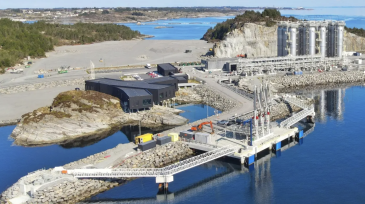
The facility for open-source carbon capture, transport, and storage has been completed.
-
Wearable technology aims to take advantage of hands-free functionality to allow workers to perform their duties while maintaining communication remotely with the control room.
-
The lawsuit claims federal regulators have undermined the Texas oil and gas industry by misusing environmental law, negatively affecting drilling and production.