HSE & Sustainability
The Pawnee Carbon Sequestration Project, which would use a repurposed well, is planned to capture and store up to 400,000 tonnes of carbon dioxide, with first injection targeted for early 2027.

DNV notes that energy and industrial process-related carbon emissions will have dropped by 2050 by only 44% from today’s level, not even halfway to the net-zero pledge envisioned by the Paris climate agreement.

SPE's new Asset Integrity Technical Section brings together industry experts to advance best practices in reliability engineering, asset integrity, risk reduction, and infrastructure performance. The global community will focus on the safe, reliable, and sustainable operation of energy assets across both traditional and emerging energy sectors.
-
 A surge in permit applications for long-term carbon storage sites reflects where industrially produced carbon dioxide can be harvested, and where the necessary pipelines are.
-
The captured carbon dioxide will be permanently sequestered in the Cameron Parish CO2 Hub to be located offshore Louisiana.
-
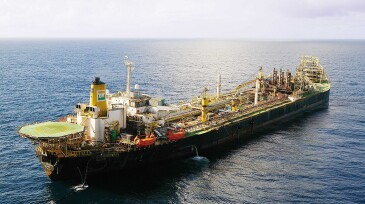
As the vessel moves toward a shipyard to be dismantled, the company said it wants to become a global reference in decommissioning, focusing on sustainability, safety, and care for people and the environment.
-
The International Energy Agency recently said the oil and gas industry is spending far too little on clean energy technologies.
-
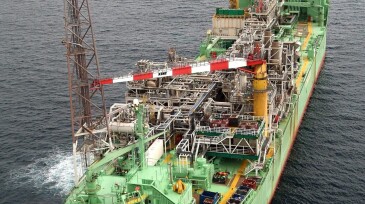
The Haewene Brim FPSO will need repairs to a pair of mooring connections before it can restart operations.
-
The agreement covers the upstream to downstream sectors, focusing on global business and development of human capital.
-
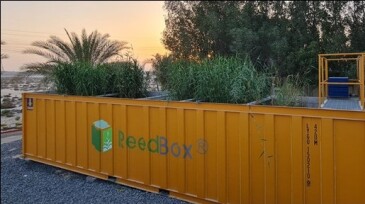
Nature-based solutions, such as constructed wetlands, have gained increasing interest over the past decade as a sustainable option for wastewater treatment in the domestic, industrial, and oil and gas sectors, with a growing number of examples now existing throughout the UAE, Oman, and other oil-producing regions.
-
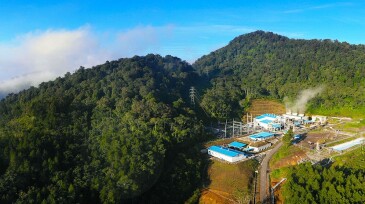
The companies have agreed to study the development of geothermal energy in Indonesia to further the country’s goal of adding 3.3 GW of geothermal capacity by 2030.
-
Food and water safety is of paramount importance to the effective functioning of the oil and gas industry. Diseases related to food and water are major contributors to project morbidity and can have significant and adverse effects on workforce productivity, particularly during large-scale construction phases of a project.
-
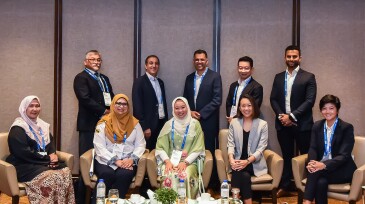
Paving the way for collaboration, the fourth edition of the SPE Symposium on CCUS management witnessed groundbreaking discussions on innovative strategies and initiatives that accelerate the deployment of CCS and CCUS projects in the region.