HSE & Sustainability
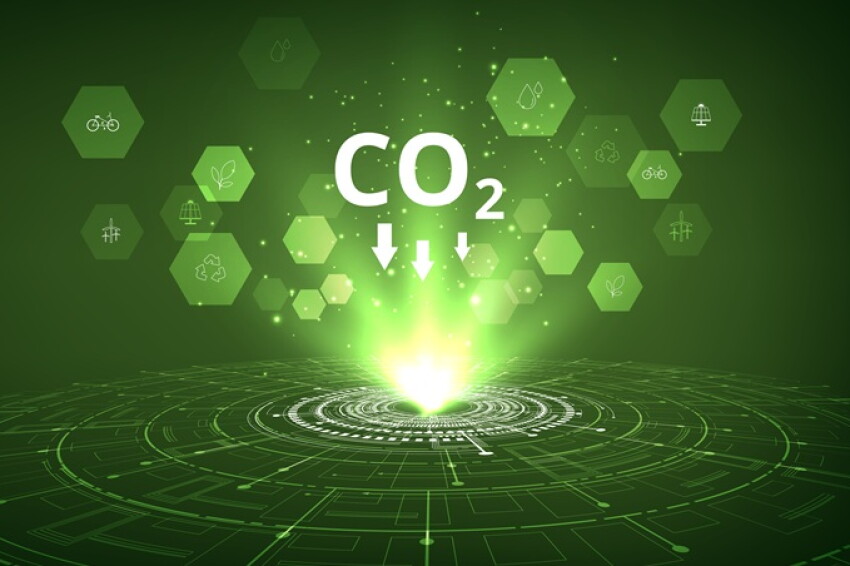
The Pawnee Carbon Sequestration Project, which would use a repurposed well, is planned to capture and store up to 400,000 tonnes of carbon dioxide, with first injection targeted for early 2027.

DNV notes that energy and industrial process-related carbon emissions will have dropped by 2050 by only 44% from today’s level, not even halfway to the net-zero pledge envisioned by the Paris climate agreement.

SPE's new Asset Integrity Technical Section brings together industry experts to advance best practices in reliability engineering, asset integrity, risk reduction, and infrastructure performance. The global community will focus on the safe, reliable, and sustainable operation of energy assets across both traditional and emerging energy sectors.
-
 SPE Journal has issued a call for papers for the 11th Comparative Solution Project (CSP) Special Issue. Organized by guest editors Anthony Kovscek (Stanford University) and Knut-Andreas Lie (SINTEF), submissions that are both directly and indirectly related to the 11th CSP will be accepted.
-
One expert says there needs to be a transfer of safety culture from the traditional energy industry to the newer offshoot of renewables.
-
A new study that analyzed 17 years of migratory bird-nesting data in Prudhoe Bay, Alaska, revealed that nest survival decreased significantly near high-use oil and gas infrastructure and its related noise, dust, traffic, air pollution, and other disturbances.
-
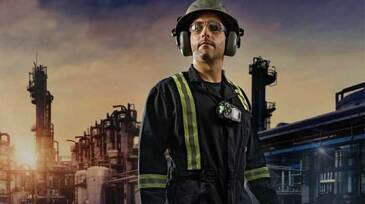
While personal protective equipment has not traditionally had the technological capabilities to help prevent worker injury due to human error, the latest safety innovations, such as gas detection wearables, can help provide visibility and data-driven insights.
-
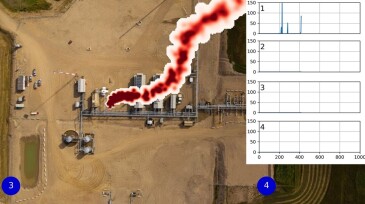
The authors of this paper describe a continuous monitoring system based on the Internet of Things (IoT) to use methane-concentration sensors permanently installed at facilities and connected to a cloud-based interpretation platform.
-
To explore motor vehicle safety, the agency is conducting interviews with workers as well as focus groups with managers and supervisors.
-
The agreement seeks to accelerate the deployment of new technology to produce green and low-carbon hydrogen and graphene.
-
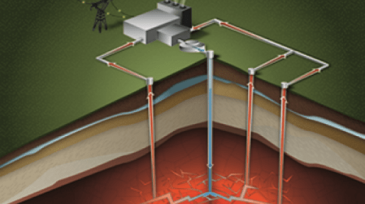
The consortium will leverage the oil and gas industry's 100+ years of experience and technological developments in drilling and subsurface engineering to advance geothermal.
-
Controversial metals-rich nodules sitting on the seafloor could hold the key to increased battery production needed to support the energy transition.
-
High energy prices and a greater focus on energy security will not slow the world’s long-term ambition for a low‑carbon future. However, annual analysis by DNV believes unprecedented pressure is reinforcing a two‑speed energy transition.