HSE & Sustainability
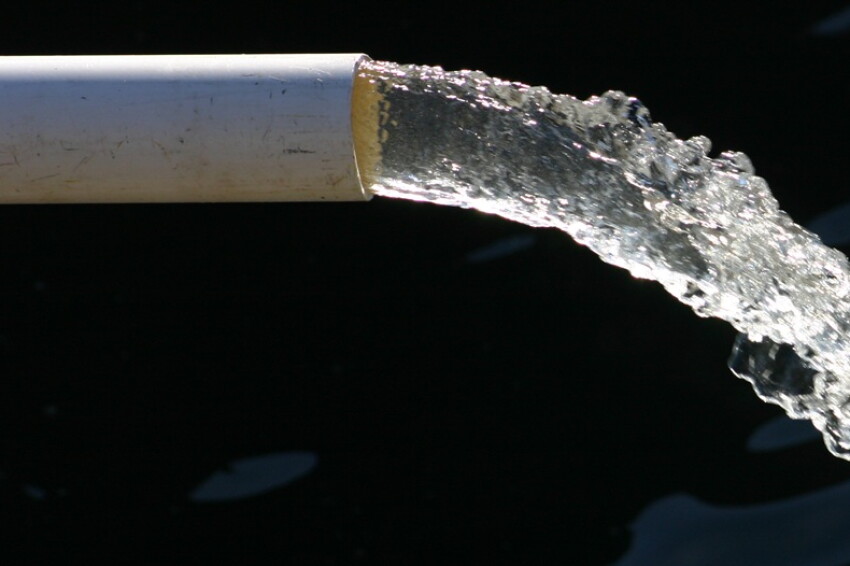
This paper presents an approach to the identification, selection, and implementation of initiatives for sustainable water management, withdrawal reduction, and water valorization.

This paper presents an experiment investigating dissolution of basaltic primary minerals and conditions favorable for secondary phase formation under deep subsurface storage conditions.

This study aims to investigate the efficacy of chemical additives strontium chloride and barium hydroxide in accelerating CO₂ trapping mechanisms, their effect on dissolution of carbonate-bearing minerals, and resulting poroelastic changes in the host rock.
-
 This paper introduces a field-deployable, trailer-mounted liquefaction system engineered to convert flared or stranded gas into low-carbon liquefied natural gas.
 -
The authors propose a deep-learning-based approach enabling near-real-time CO2-plume visualization and rapid data assimilation incorporating multiple geological realizations for predicting future CO2 plume evolution and area-of-review determination.
-
The North Sea Transition Authority said it expects interest in carbon storage to grow after UK’s second licensing round.
-
Propelling a proposed CCS project from the drawing board to first carbon storage requires overcoming several hurdles.
-
The 2025 report confirms for the second year that the Appalachian Basin has the lowest methane intensity of any major oil and gas basin in the US.
-
The North Sea Transition Authority has advanced the UK’s plans for carbon storage by approving the drilling of a proposed appraisal well off the coast of Teesside.
-
Smart Seismic Solutions plans to use 50,000 nodes to examine storage potential for the Greenstore CCS project.
-
SponsoredUnwanted water production can erode well performance and asset economics if left unmanaged. Interwell’s precision water shutoff approach, grounded in diagnostics and engineered isolation, helps operators identify water-entry points, protect hydrocarbon flow, and restore sustainable well performance in mature and complex wells.
-
Equinor cites confined gas behind casing and calibration issues in investigation of Troll field well control incident.
-
Drone strikes, refinery shutdowns, tanker disruptions, and halted LNG production have heightened concerns about broader supply risks.