HSE & Sustainability

The challenge is to ensure that changes to major accident hazards are properly managed, whether the changes occur by adapting conventional industry operations to lower carbon or by introducing innovative technologies.

From AI-enabled walking rigs to subsea drones and autonomous inspection robots, robotics is rapidly moving from pilot projects to field deployment. The technology promises not only greater efficiency but also a fundamental shift in how the industry approaches safety and asset management.

This paper presents laboratory-testing methods and evaluation criteria designed to improve understanding of both the origin and extent of formation damage associated with CO2 injection.
-
 The perception of the petroleum industry is not currently a good one. So, if that sentiment can be measured, can it be improved? The SPE Sustainable Development Technical Section believes it can by SPE members thinking like activists yet acting like engineers. Data collection and analysis are key to determining what really matters.
 -
As the announcement of carbon sequestration projects becomes the norm, it’s time we look at what we know from a technical angle about how these projects need to be run based on the industry’s experience with enhanced oil recovery.
-
With aggressive net-zero goals hanging overhead, countries are looking to fast-track low-carbon energy projects, and many are including nuclear in the mix.
-
Seven years, and we’re on track to exceed the 1.5°C target established by the Paris Agreement in 2015 to limit global warming by 2030. Instead, we may be turning up the heat to 3.0°C. And in this case, doubling the wager does not hold potential for greater rewards. A recent report addressed the costs of technologies for emissions mitigation and their likelihood of mak…
-
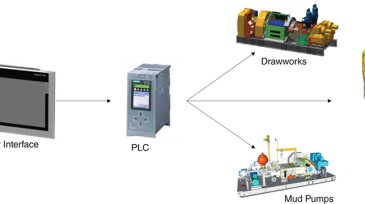
This paper discusses the results of driller stress tests and the implementation of a system that assists the operator in kick detection, space out, and preparation for well shut-in.
-
SponsoredFrac operators are continuously challenged by pressures to increase ROI and simultaneously decrease emissions. But is it really possible? New technology released in February from Catalyst Energy Services proves that it is possible. And the results are compelling.
-
The Biden administration reversed a Trump administration plan that would have allowed the government to lease more than two-thirds of the country’s largest swath of public land to oil and gas drilling.
-
The US oil and gas company said it signed a letter of intent with the US midstream operator to explore commercializing a CO2 transportation and storage network.
-
SponsoredImprove modeling accuracy and reduce the risk of unplanned downtime. Complete more accurate comprehensive pressure safety studies faster by eliminating the need for multiple applications.
-
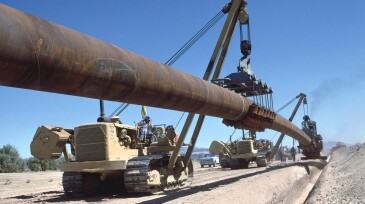
Companies want to build pipelines to capture and store carbon, but a new report warns that regulators aren’t prepared.