HSE & Sustainability

The AI revolution isn't just digital. This article examines how geology underpins the convergence of AI, energy, carbon management, and the infrastructure powering frontier LLMs.

Winners of Alberta's Drilling Technology Challenge cover a range of technologies from robotics to enhance drilling rig safety to AI-enabled energy management, downhole sensing, well navigation, hybrid power systems, and geothermal energy.

Located along the North Sea, the Humber is expected to play a central role in the UK’s effort to achieve a net-zero emissions status by 2050.
-
 The new well control rule is evidence that memories of the Macondo blowout remain a powerful force for caution. Despite the rhetoric on both sides of this hot-button issue suggesting big changes, the final changes were incremental.
 -
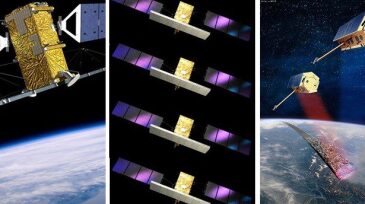
This paper outlines how satellite technology can enhance oil-spill detection and, therefore, consequence management, drawing on a comparative study of options.
-
The criticality of above-water riser hull piping requires frequent inspections. Traditional manual inspection methods present safety and efficiency concerns, but work is being done to see if robotic technologies—such as drones and crawlers—can do the job as good as, or even better than, humans.
-
As drones become a more significant part of energy projects, the guide outlines the steps operators should take in assessing their capabilities to run a drone program and the elements such programs should consider, including safety and regulatory concerns.
-
A lack of access to electricity has ripple effects across many aspects of people’s lives, health, and safety.
-
The American Petroleum Institute announced the publication of its Guide for Developing an Unmanned Aircraft Systems Program, which will help ensure worker and operational safety as the industry introduces drones in its operations.
-
The US Environmental Protection Agency recently finalized a voluntary disclosure program for new owners of upstream oil and gas facilities designed to encourage them to find, correct, and self-report violations of the Clean Air Act, in particular those associated with emissions from storage vessels.
-
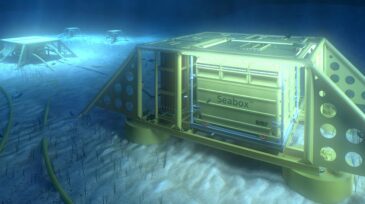
Operators are looking for ways to better handle water coming from subsea wells, which is typically treated at topside facilities. Subsea separation systems are not equipped to discharge water back into the reservoir, so how do companies close the gaps?
-
The small rainforest country nestled between Venezuela and Suriname has recently struck oil—a lot of it. With this newfound vast potential comes concern about developing the resources sustainably and with proper consideration for the country’s people and environment.
-
By refusing development consent of a coal mine on the basis of likely contribution to climate change and adverse social impacts, the New South Wales Land and Environment Court has drawn attention to the increasing importance of human rights considerations in assessing the impact of major projects.