HSE & Sustainability

This paper explores how artificial intelligence (AI), cognitive models, and integrated digital tools can transform readiness from periodic drills into a continuous, measurable capability.

This paper presents a competency-cenetered, data-driven approach implemented to strengthen control-room emergency-response capability through a cloud-hosted, scenario-based virtual plant simulator.

This paper presents laboratory-testing methods and evaluation criteria designed to improve understanding of both the origin and extent of formation damage associated with CO2 injection.
-
 The Permian-based company has committed to being part of the United Nations flagship reporting program.
 -
Proposed methane regulations for the oil and gas industry are in the works in the United States and the European Union. This brief summarizes the next steps for methane rules on both sides of the Atlantic.
-
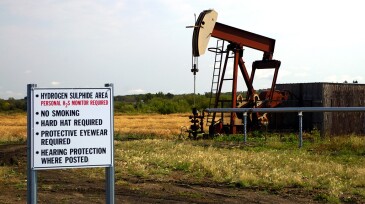
OSHA issued citations to oil and gas waste-management company Production Waste Solutions for failing to protect workers from hydrogen sulfide after an employee died.
-
The British Safety Industry Federation found that 85% of safety products it tested between December 2021 and December 2022 failed to meet its regulatory criteria.
-
BPX Energy, BP’s US onshore upstream business, has expanded MiQ certification to 100% of BP’s US onshore facilities in Texas and Louisiana.
-
Eighty-eight officers and employees have been released after violence broke out against the oil company Emerald Energy.
-
Texas A&M University-Qatar in collaboration with the SPE Qatar Section conducted a 2-day virtual workshop on flow assurance, carbon reduction, and digitalization. Participants included more than 200 professionals associated with academia, research institutes, and industry from 23 countries.
-
Biodiversity actions plans (BAPs) are a systematic approach to biodiversity management that can help companies contribute to nature-positive goals. The guidance provides general process steps recommended for preparing and implementing a BAP.
-
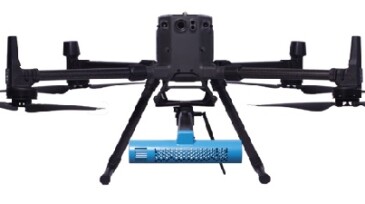
This case study highlights the effectiveness of unmanned aerial systems in enabling land-based operators to assess the relative seriousness of leaks efficiently by both localizing and quantifying their methane emission rates.
-
Deployment of Mosaic DAC pilot units are envisaged for a pair of HIF eFuel facilities.