HSE & Sustainability

This paper explores how artificial intelligence (AI), cognitive models, and integrated digital tools can transform readiness from periodic drills into a continuous, measurable capability.

This paper presents a competency-cenetered, data-driven approach implemented to strengthen control-room emergency-response capability through a cloud-hosted, scenario-based virtual plant simulator.

This paper presents laboratory-testing methods and evaluation criteria designed to improve understanding of both the origin and extent of formation damage associated with CO2 injection.
-
 A big jump in the tax incentives offered for putting CO2 in the ground, hopefully forever, has set off a mad rush to sequester CO2. But is that really the best option?
 -
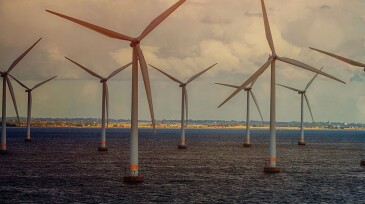
Although 2022 did not match 2021’s record of over 19.5 GW of online capacity, 2022 witnessed the second highest amount of global online capacity with almost 8.5 GW. Final investment decisions (FIDs) were taken on over 11.5 GW of projects, making it the fourth highest year for FIDs.
-
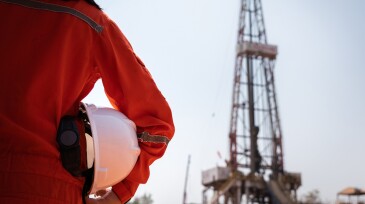
The first step to ensuring the safety of oil and gas workers is to have a comprehensive safety program in place. This includes frequent employee training, detailed equipment inspections, and detailed safety procedures everyone follows.
-
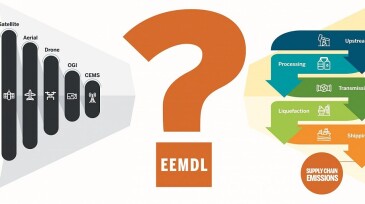
The University of Texas at Austin will be home to a multidisciplinary research and education initiative, the Energy Emissions Modeling and Data Lab, which aims to address the growing need for accurate, timely, and clear accounting of greenhouse-gas emissions across global oil and natural gas supply chains.
-
With growing trade of liquefied natural gas (LNG), an increased diversification of LNG supply sources may occur in the LNG tanks as different compositions of LNG are stored in the tanks. It is the primary concern in terms of assuring stability and safety in LNG storage.
-
The past year has been a challenging one for companies on the ESG front. Overlapping environmental, social, and political crises—from flooding and wildfires to the first war in Europe in 80 years—have made the jobs of leaders that much harder.
-
California soon will have the largest oil drilling setbacks in the US. Experts say other states can learn from this move.
-
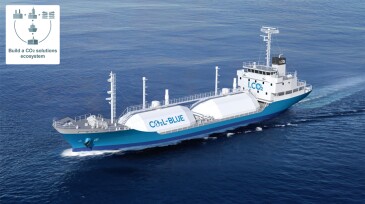
The sites with the most CO2 emissions to capture are often far from the best rock to sequester it, leading to design projects for transport ships.
-
A methane-quantification tool was developed by Petronas on the basis of applicable methane sources listed in guidelines produced by the Oil and Gas Climate Initiative.
-
At a time when there are many models vying to be the one used to evaluate and plan carbon storage sites, the US Department of Energy wants to test one developed by SPE members.