HSE & Sustainability

The North Sea Transition Authority said it expects interest in carbon storage to grow after UK’s second licensing round.

Propelling a proposed CCS project from the drawing board to first carbon storage requires overcoming several hurdles.

The 2025 report confirms for the second year that the Appalachian Basin has the lowest methane intensity of any major oil and gas basin in the US.
-
 Deployment of Mosaic DAC pilot units are envisaged for a pair of HIF eFuel facilities.
 -
Dow, X-energy join forces to supply nuclear power to Gulf Coast plant, while NuScale gets the go-ahead from western cities to build reactor despite cost increases.
-
The first direct air capture facility will debut a few months late, but that’s not a big concern for its developer.
-
A survey by DNV shows energy professionals prioritizing secure energy, followed by clean and then affordable energy.
-
Dealmaking has picked up steam, especially by Oxy. Many of the announced deals by Oxy and others are in Texas and in the Gulf Coast region.
-
The authors describe implementation of permanent-magnet-motor technology in different artificial lift systems that has resulted in power savings of more than 15% and lifting-cost optimization.
-
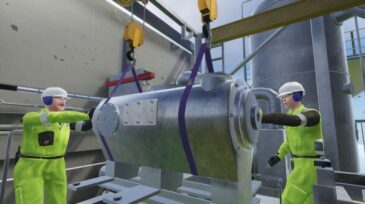
Equinor is adopting a mobile-game-based “safety simulator” training program from learning and development company Attensi, and a user survey suggests it’s working.
-
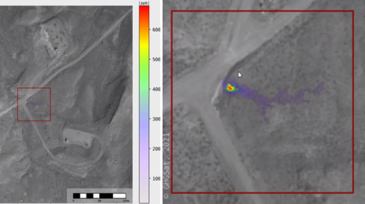
This paper discusses how methane detection from oil and gas infrastructure using remote sensing technologies enables operators to quantify and minimize the emissions while gaining insight and an understanding of their operations through data analytics.
-
Select Water Solutions will focus on water management and added assets in the Permian Basin.
-
The proposed sale notice consists of more than 300,000 acres in three designated areas offshore Louisiana and Texas.