HSE & Sustainability
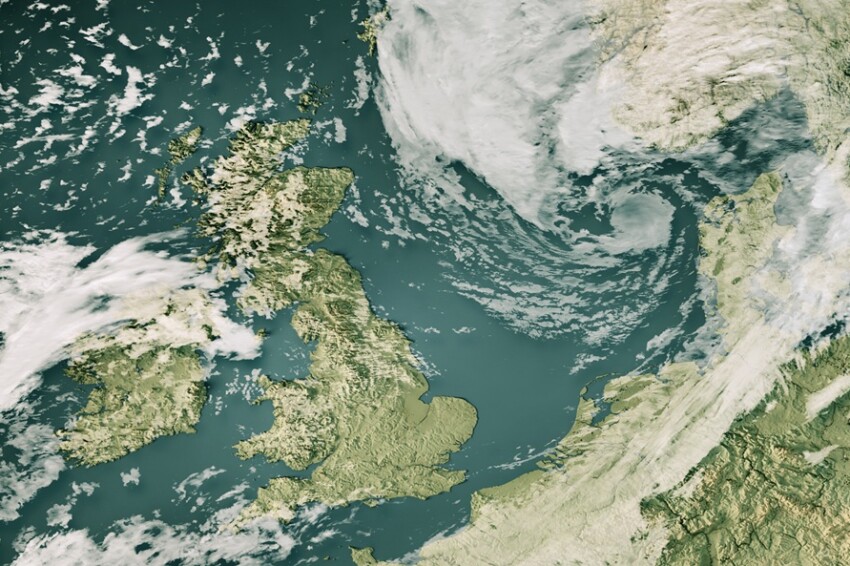
The North Sea Transition Authority said it expects interest in carbon storage to grow after UK’s second licensing round.

Propelling a proposed CCS project from the drawing board to first carbon storage requires overcoming several hurdles.

The 2025 report confirms for the second year that the Appalachian Basin has the lowest methane intensity of any major oil and gas basin in the US.
-
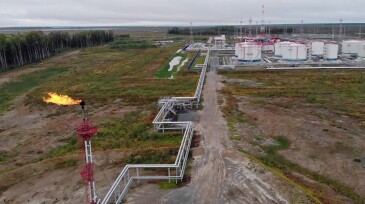
 Oil and gas companies are betting on the use of drones and robots for leak detection and methane emissions reduction.
 -
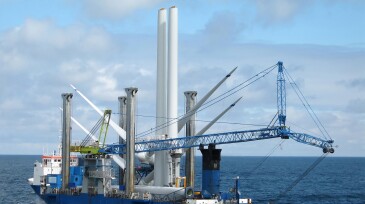
BP’s deal with Norway-based Deep Wind Offshore aims to generate nearly half of the 13 GW of electricity Korea plans to produce from offshore wind by 2030.
-
Wood Mackenzie said "advantaged barrels" that are cheap to extract and with low emissions represent less than a third of untapped resources.
-
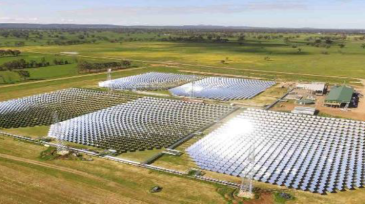
Nabors expanded its push beyond the oil business by acquiring an Australian solar power company selling a round-the-clock power technology.
-
The increase comes as federal agencies change fines to reflect inflation.
-
Risk is a common thread that runs throughout all engineering disciplines. This course aims to present how to understand and identify hazards, analyze risk, and understand the importance of a comprehensive management system.
-
Recently published research suggests that carbon dioxide stored underground will stay there for millions of years.
-
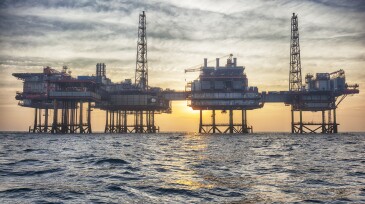
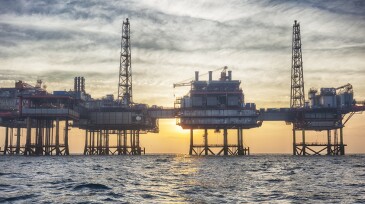
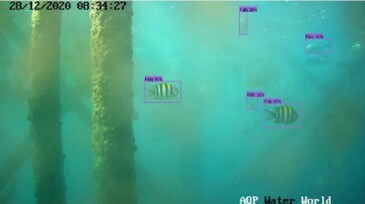
Because diversity of aquatic animals is an indicator of safe and environmentally friendly operations, a pilot system has been launched that uses an underwater camera and artificial intelligence to observe aquatic animals around a platform.
-
The funding is for 33 research and development projects which will tackle the technical challenges of capturing CO2.
-
Harish Krishnamoorthy, assistant professor of electrical and computer engineering at the University of Houston, has been selected by the National Academies’ Gulf Research Program as an early-career research fellow in the Offshore Energy Safety track.