HSE & Sustainability

This paper proposes a shift in the timing of risk modeling to much further back within the job lifecycle, recognizing each function’s role in the mitigation of risk.
This article from the SPE Methane Technical Section features Arvind Ravikumar of the University of Texas at Austin and focuses on how the Energy Emissions Modeling and Data Lab is integrating satellite observations, facility-level measurements, operational data, and emissions inventories into more credible methane accounting for oil and gas systems.

The firm’s latest analysis puts the bulk of the blame on a fragmented supply chain.
-
 Despite global supply chain challenges and component shortages resulting in elevated system costs in 2021, PV installations remained resilient.
 -
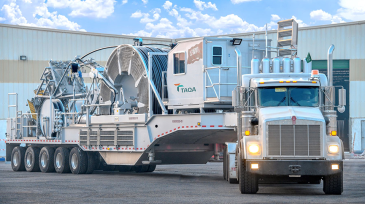
SponsoredTAQA aspires to be a leader in managing integrated projects in the Middle East-North Africa by providing technical services across the life cycle of oilfields as well as offering unique technologies for Geothermal and Carbon Underground storage projects
-
The agency’s new Global Methane Tracker analysis reports that methane emissions from the energy sector are 70% higher than official figures.
-
The idea of a root cause was developed in the early 1900s to troubleshoot simple mechanical systems. Unfortunately, the same logic does not work very well to explain human and organizational behavior.
-
It seems obvious that to manage the reduction of methane emissions an operator needs to measure the emissions, report them accurately, and then take action to mitigate them. But what might seem obvious gets tricky: Just what matters, and how can an operator efficiently and accurately measure those factors?
-
The companies will leverage each other’s experience and assets to offer full-cycle water-handling services in West Texas.
-
ESG accounting is a mess. Competing initiatives mean there’s no uniform set of standards for measuring a company’s progress on sustainability. The good news is that a new initiative, the International Sustainability Standards Board, promises to do for sustainability reporting what the International Accounting Standards Board does for financial reporting—develop standa…
-
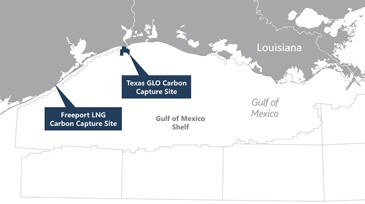
The new project will use EnLink’s existing pipeline infrastructure and Talos’ newly acquired 26,000-acre sequestration area.
-
The company believes its booking represents the industry's first to be made under SPE's CO2 Storage Resource Management System.
-
For the foreseeable future, going beyond the barrel will really mean maximizing returns from the barrel, including the identification and harnessing of potential gains from capital planning, asset management, and operations.