HSE & Sustainability

LibertyStream has signed a feedstock agreement with Goodnight Midstream to support its first commercial lithium carbonate facility in North Dakota's Bakken, advancing plans to extract battery-grade lithium from produced water.

The transition away from materials that contain per- and polyfluoroalkyl substances (PFAS), co-called forever chemicals, creates an opportunity to preserve historical information. Information that appears to have little operational value today may later become important when organizations need to evaluate past PFAS use. Once that information is lost, recreating it may…

TotalEnergies signed off for 30% operated stakes in the Lang Lebah and B14 gas fields offshore Sarawak on the sidelines of ADIPEC in Abu Dhabi, while also highlighting methane-reduction partnerships in Angola, India, and Southeast Asia.
-
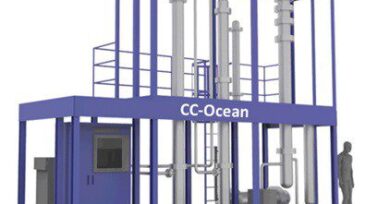
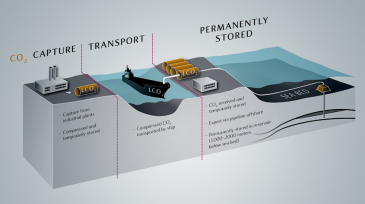
 The project aims to identify risks and conduct operability and safety evaluations for the world’s first attempt at capturing carbon dioxide at sea.
-
The brain is adaptive and can change in both physical and functional forms. This phenomenon is called neuroplasticity. Understanding this neuroplasticity can lead to understanding how people can be happier, more engaged, and more productive at work.
-
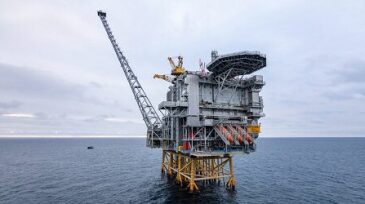
An analysis of existing wells in the Martin Linge field, conducted by Equinor when it took over as operator from Total, revealed that several did not have sufficient barriers, leading the company to plan new wells to ensure safe operation.
-
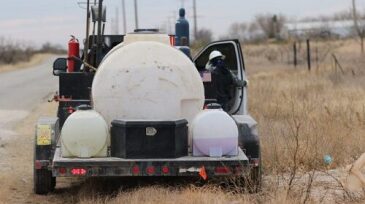
The state of New Mexico finalized changes to its produced-water regulations on the oil and gas industry after months of adjustments and debate between state regulators, environmentalists, and oil and gas industry leaders.
-
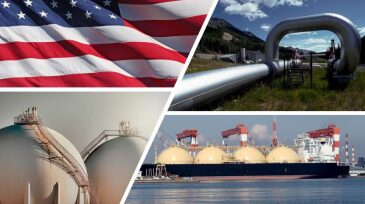
Tellurian CEO Meg Gentle outlined how the US LNG market should address expected tight market conditions through 2025 while managing a transition to a carbon neutral environment.
-
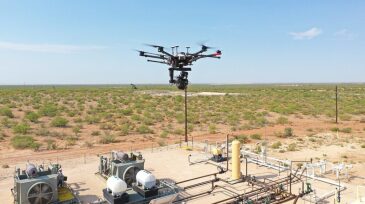
After 2 years of testing, Shell is going all in on using high-flying technology to catch methane leaks to reduce its overall emissions to less than 1%.
-
About 16% of US offshore production in the Gulf of Mexico remains offline after Hurricane Laura caused mass evacuations more than a week ago.
-
Winning innovators focused on environment, safety, and operational efficiency.
-
The oil and gas sector has always been inherently risky. No matter how far mitigating efforts go or by how much technology improves, it is unlikely that risk will be removed entirely anytime soon. That being said, the sector has made huge strides in recent years to better protect those who serve it.
-
On 13 August 2020, EPA Administrator Andrew Wheeler announced two final rules related to the New Source Performance Standards (NSPS) for the oil and natural gas industry.