HSE & Sustainability

LibertyStream has signed a feedstock agreement with Goodnight Midstream to support its first commercial lithium carbonate facility in North Dakota's Bakken, advancing plans to extract battery-grade lithium from produced water.

The transition away from materials that contain per- and polyfluoroalkyl substances (PFAS), co-called forever chemicals, creates an opportunity to preserve historical information. Information that appears to have little operational value today may later become important when organizations need to evaluate past PFAS use. Once that information is lost, recreating it may…

TotalEnergies signed off for 30% operated stakes in the Lang Lebah and B14 gas fields offshore Sarawak on the sidelines of ADIPEC in Abu Dhabi, while also highlighting methane-reduction partnerships in Angola, India, and Southeast Asia.
-
 The emissions intensity of upstream Canadian oil sands production will continue to decline in coming years, falling to 30% below 2009 levels by 2030, a new report by business information provider IHS Markit says.
-
Hess has earned a place on the Dow Jones Sustainability Index North America for the ninth consecutive year. The index recognizes public companies for outstanding performance across economic, environmental, and social factors.
-
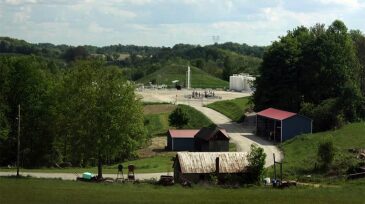
This article explores what is known and not known about the environmental risks of hydraulic fracturing with the intent of fostering informed discussions within the geoscience community on the topic of hydraulic fracturing.
-
When methane is found in water wells near an unconventional well, fingers point to facturing as the liklely suspect. But a study of wells in the Utica Shale named other sources.
-
Given companies’ track record in achieving great things, the question is not whether companies can be a force for good. The question is, why don’t all executives lead their companies to be a force for good?
-
The proposal would rollback requirements for testing and fixing fugitive methane leaks in oil and gas operations. It would save millions in regulatory costs, but the estimated increase in methane emissions is controversial.
-
Unstructured data, such as process logs, safety reports, and public records, make up the bulk of data produced from the oil field. Emerging NLP technology has been designed to help make sense of this data, enabling better insights into near-accidents.
-
In this online seminar, Alistair E. Gill, general manager for engineering services at Wild Well Control, will explain how computational fluid dynamics (CFD) and other simulation tools are used by Wild Well Control to quantify and reduce risk, plan operations, and improve response effectiveness.
-
SponsoredInnovations in wireless measurement technology can offer the prospect of improving wellsite safety and operational efficiency while reducing costs. This case study, prepared in conjunction with Baker Hughes, a GE company, discusses how.
-
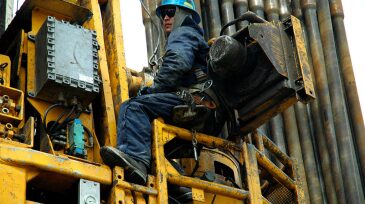
Considering most of the rigs deal with human-machine interface systems, the role of human factors is at the heart of any successful operation. Eye-tracking technology can be useful in real-time operation centers where ocular movement data can improve the professionals’ performance.