HSE & Sustainability
This article from the SPE Methane Technical Section features Arvind Ravikumar of the University of Texas at Austin and focuses on how the Energy Emissions Modeling and Data Lab is integrating satellite observations, facility-level measurements, operational data, and emissions inventories into more credible methane accounting for oil and gas systems.

The firm’s latest analysis puts the bulk of the blame on a fragmented supply chain.

This work uses a novel pseudosteady-state-based simulation to reduce training-data-generation cost while maintaining high-performance predictions of data-driven proxy models for carbon-sequestration projects.
-
 Decades of experience injecting fluids into the ground has revealed a fundamental truth: No two injection sites are the same. A thorough understanding of site-specific conditions is essential to ensure safe and secure long-term subsurface disposal of carbon dioxide.
 -
A Houston startup that is developing a technology to detect methane leaks has moved on to Phase 2 of Chevron's business accelerator.
-
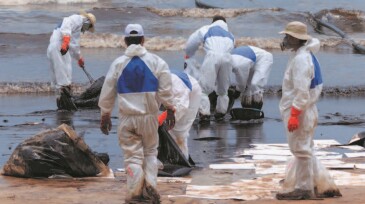
Ipieca and the International Association of Oil and Gas Producers have updated their “Incident Management System for the Oil and Gas Industry,” “Oil Spill Exercises,” and “Responder Health and Safety” guidance documents.
-
A campaign for a statewide initiative to require buffer zones around new oil and gas wells raises the possibility that California voters could see two similar measures on the November 2024 ballot.
-
In one of the largest studies of its kind, the authors set out to identify trends and common factors of serious injuries and fatalities in order to identify strategies to reduce the risk.
-
The two main value drivers of the project were to minimize health, safety, and environmental effects and reduce greenhouse-gas emissions in line with the company’s goal of moving toward net zero by 2050 and to maximize hydrocarbon recovery.
-
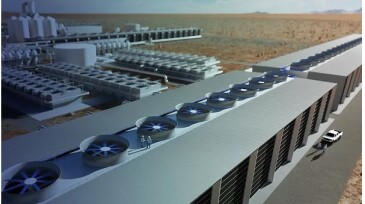
The projects are expected to remove more than 2 million metric tons of CO2 emissions annually from the atmosphere.
-
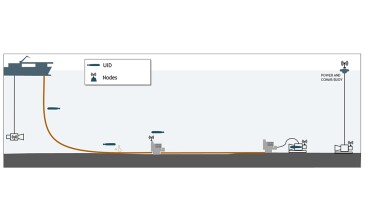
The paper presents an overview of underwater inspection drones and identifies the necessary elements to take full advantage of the technology.
-
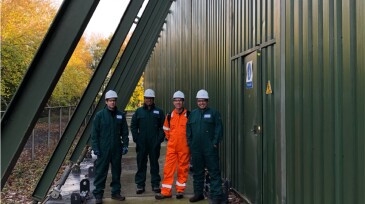
This paper presents a low-impact solution for well abandonment with fully electrified equipment that mostly uses grid power in an urban area.
-
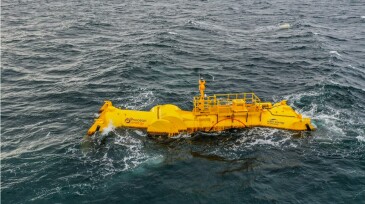
This paper describes development of a fully integrated system for the provision of low-carbon, remote power and communications using wave energy converters.