HSE & Sustainability
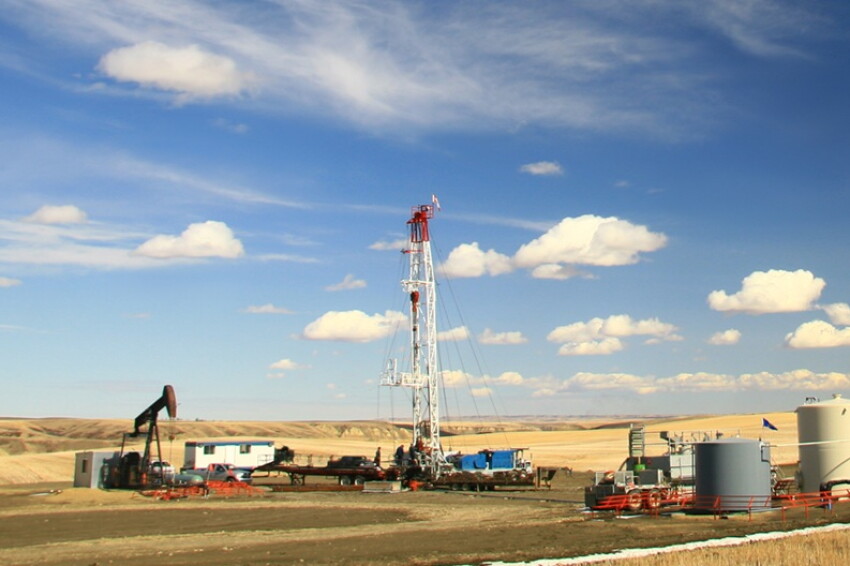
This article from the SPE Methane Technical Section features Arvind Ravikumar of the University of Texas at Austin and focuses on how the Energy Emissions Modeling and Data Lab is integrating satellite observations, facility-level measurements, operational data, and emissions inventories into more credible methane accounting for oil and gas systems.

The firm’s latest analysis puts the bulk of the blame on a fragmented supply chain.

Sustainable energy continues to grow as a focus for reliable, affordable, and secure energy as seen from the past year of papers reviewed for this feature. Three primary areas are being reported on heavily: carbon use for enhanced oil recovery, geological hydrogen discovery, and critical minerals from the subsurface.
-
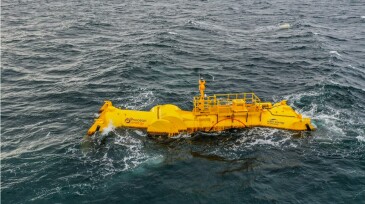
 This paper describes development of a fully integrated system for the provision of low-carbon, remote power and communications using wave energy converters.
 -
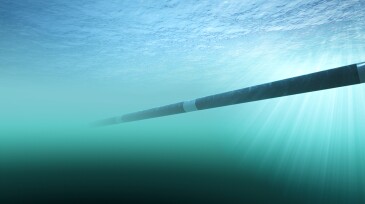
This paper presents a discussion of main concepts, challenges, and opportunities relating to subsea system design for CO2 injection in carbon capture and sequestration applications.
-
UK Prime Minister Rishi Sunak commits to future oil and gas licensing rounds as new analysis shows domestic gas production has around one-quarter the carbon footprint of imported liquefied natural gas.
-
Tokyo is seeking partnerships in the UAE to leverage its technologies to produce clean energy for export back to Japan.
-
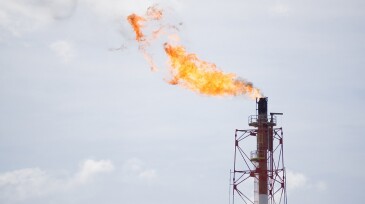
This paper presents practical solutions to monetize small-volume associated gas and their resulting technoeconomic implications at five offshore locations.
-
An Energy Industries Council survey of nearly 100 energy supply chain leaders finds that a lack of "consistent and profitable work in green projects" prompts a return to oil and gas projects.
-
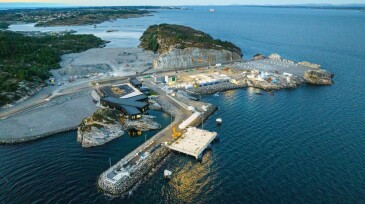
The region stands to benefit from TotalEnergies’ experience as a partner in Norway’s Northern Lights CCS development to decarbonize industrial operations in northern Europe. The first injection of carbon dioxide at Northern Lights is expected in 2024.
-
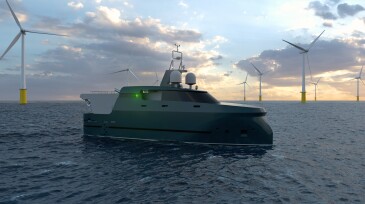
Norway’s USV joint venture will launch its first unmanned offshore surface vessel in 2025 to support subsea inspection, maintenance, and repairs.
-
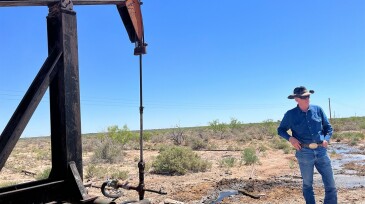
The bipartisan infrastructure law included $4.7 to start plugging wells. But the new federal money is creating logistical and regulatory challenges, raising questions about whether the money will live up to its promise.
-
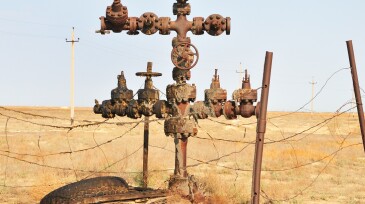
The bipartisan infrastructure law funding aims to address legacy pollution and spur economic growth nationwide.