HSE & Sustainability
This paper proposes a shift in the timing of risk modeling to much further back within the job lifecycle, recognizing each function’s role in the mitigation of risk.
This article from the SPE Methane Technical Section features Arvind Ravikumar of the University of Texas at Austin and focuses on how the Energy Emissions Modeling and Data Lab is integrating satellite observations, facility-level measurements, operational data, and emissions inventories into more credible methane accounting for oil and gas systems.

The firm’s latest analysis puts the bulk of the blame on a fragmented supply chain.
-
 The Swiss-based company Hydromea announced advances in underwater optical modem technology and development of an underwater monitoring system capable of daily data sweeps remotely.
 -
The bill would direct Texas agencies not to enforce federal regulations on the oil industry if there’s not a similar state regulation. But it likely wouldn’t apply to most federal environmental rules, experts and lawmakers said.
-
Many oil and gas workers can operate as lone workers. Fortunately, there are technologies that can help protect isolated and remote employees.
-
Analysis by Rystad shows global energy reliability concerns are triggering a surge in oil and gas investments. The analysis goes on, however, to suggest that this uptick is only temporary and service companies should capitalize now before the focus returns to the energy transition.
-
Under the new agreement, ExxonMobil will capture, transport, and store carbon from Nucor’s direct reduced iron plant in Louisiana.
-
The Permian Basin was the site of a recent visit by a Reverse Trade Mission on Advanced Technologies for Methane Abatement sponsored by the US Trade and Development Agency. Chevron hosted the delegation at both its Midland and Houston locations.
-
The intensity of methane and greenhouse-gas emissions from the oil and gas sector declined 28% and 30%, respectively, between 2019 and 2021 among the largest producers in the country, according to an analysis published by the nonprofits Clean Air Task Force and Ceres.
-
The workplace has changed since 2020. Previous safety strategies are now obsolete. We must change our approach to meet the new realities of today. If we don't, anticipate broader organizational challenges in the days ahead.
-
A retired petroleum engineer read the 2021 report on climate change from the UN Intergovernmental Panel on Climate Change and offers his insights on the complexities and nuances of climate science.
-
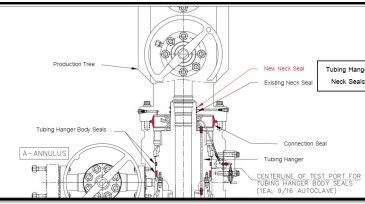
After a barrier was breached in an offshore gas well, the well was made safe by closing a primary barrier. An investigation then revealed the root cause of the failure and led to a solution that safely brought the well back online.