HSE & Sustainability

This paper proposes a shift in the timing of risk modeling to much further back within the job lifecycle, recognizing each function’s role in the mitigation of risk.
This article from the SPE Methane Technical Section features Arvind Ravikumar of the University of Texas at Austin and focuses on how the Energy Emissions Modeling and Data Lab is integrating satellite observations, facility-level measurements, operational data, and emissions inventories into more credible methane accounting for oil and gas systems.

The firm’s latest analysis puts the bulk of the blame on a fragmented supply chain.
-
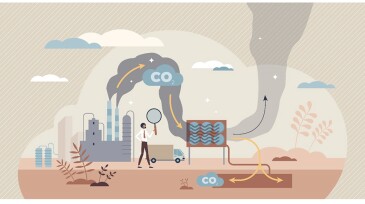
 The innovations in the carbon removal space are gaining attention for their potential to curb global climate change, but they each face particular challenges in implementation.
 -
This article describes the MiQ grading framework for natural gas in detail and explains practical pathways for industry participants to achieve any desired MiQ grade.
-
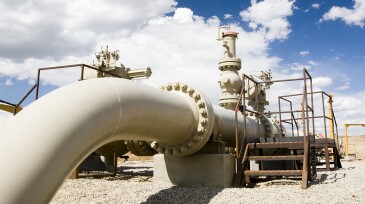
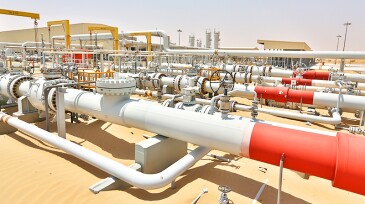
Sustaining two of the UAE’s biggest onshore fields will require hundreds of kilometers of new pipelines that are to be powered using 100% renewable energy.
-
Energy company DTEK plans a second phase to build back greener after Russian invasion.
-
Companies licensed to drill in the North Sea will report their findings to regulators under new powers brought forward in an Energy Bill amendment.
-
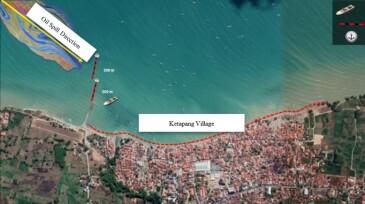
This paper presents the oil spill contingency plan adopted by Pertamina to protect sensitive areas on and around Java, the world’s most populous island.
-
The collaboration expects to redefine methane detection and contribute to emission-reduction efforts across dozens of industries, including energy, agriculture, manufacturing, and transportation.
-
SPE Journal has issued a call for papers for the 11th Comparative Solution Project (CSP) Special Issue. Organized by guest editors Anthony Kovscek (Stanford University) and Knut-Andreas Lie (SINTEF), submissions that are both directly and indirectly related to the 11th CSP will be accepted.
-
One expert says there needs to be a transfer of safety culture from the traditional energy industry to the newer offshoot of renewables.
-
A new study that analyzed 17 years of migratory bird-nesting data in Prudhoe Bay, Alaska, revealed that nest survival decreased significantly near high-use oil and gas infrastructure and its related noise, dust, traffic, air pollution, and other disturbances.