HSE & Sustainability

This paper proposes a shift in the timing of risk modeling to much further back within the job lifecycle, recognizing each function’s role in the mitigation of risk.
This article from the SPE Methane Technical Section features Arvind Ravikumar of the University of Texas at Austin and focuses on how the Energy Emissions Modeling and Data Lab is integrating satellite observations, facility-level measurements, operational data, and emissions inventories into more credible methane accounting for oil and gas systems.

The firm’s latest analysis puts the bulk of the blame on a fragmented supply chain.
-
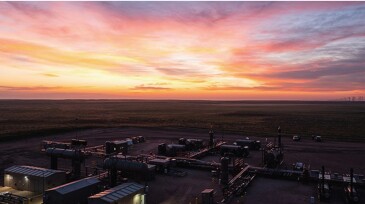
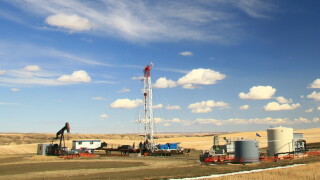
 Seven facilities design and public engagement principles are identified as key elements for the future oil and natural gas production facilities for the DJ Basin, and maybe even as a guide for other North American onshore shale basins.
 -
Divesting from fossil fuel assets makes a big statement. Its impact, however, is murkier. Selling off an asset requires someone else to buy it, which, in the case of fossil fuels, can mean breathing new capital into the exact assets companies are trying to choke. But there’s another approach: running those assets into the ground.
-
Britain’s North Sea Transition Authority is removing the requirement for offshore operators to submit Cessation of Production reports when preparing to abandon a field.
-
Ryan Sloan, safety manager for Birchcliff Energy, explains how two separate tragedies spur him on to change the way workers think.
-
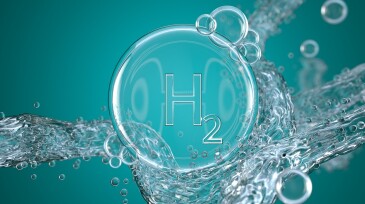
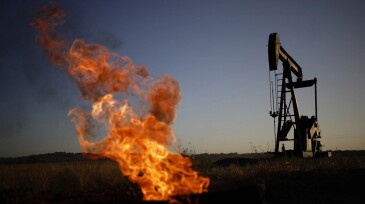
H2 Industries says it has developed a way to convert gas that normally would be flared into clean hydrogen and solid carbon at the oil field.
-
A multidisciplinary team of UCLA scientists and health care practitioners will conduct the health study, which will consist of five components—a health and health care use assessment, exposure assessment, community engagement, data management and statistical analysis, and overall program administration.
-
Nearly 100 authors contributed to The Lancet's annual report on climate change and health, which detailed how heat waves, drought, and air pollution are killing thousands.
-
Enhanced solutions take detection of hazardous, toxic gas to the next level.
-
This paper provides an overview of strategies, approaches, technologies, and tools that enable companies to prioritize social-good, natural processes and restoration of natural resources as part of business and operations.
-
A consortium of 20 organizations, REX-CO2, including research institutions, operators, and regulatory authorities, studied mature wells in two areas of the UK Continental Shelf. Subsurface data were evaluated and verified the wells’ potential suitability for both reuse and CO2 injection and storage.