HSE & Sustainability

This paper proposes a shift in the timing of risk modeling to much further back within the job lifecycle, recognizing each function’s role in the mitigation of risk.
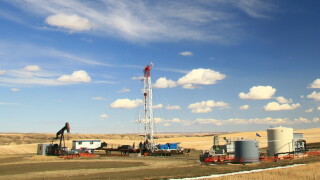
This article from the SPE Methane Technical Section features Arvind Ravikumar of the University of Texas at Austin and focuses on how the Energy Emissions Modeling and Data Lab is integrating satellite observations, facility-level measurements, operational data, and emissions inventories into more credible methane accounting for oil and gas systems.

The firm’s latest analysis puts the bulk of the blame on a fragmented supply chain.
-
 The CO2 capture capacity of all CCS facilities under development increased 44% over the past 12 months, bringing the total capacity of those projects to 244 mtpa of CO2.
 -
Data from member companies reveals an increased intensity in greenhouse-gas emissions for 2021. And, while flaring increased, too, long-term trends on that practice are clearly moving downward.
-
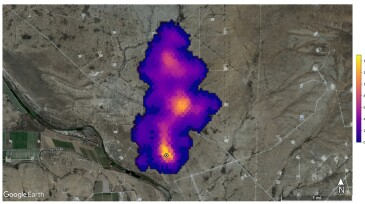
Built to help scientists understand how dust affects climate, the Earth Surface Mineral Dust Source Investigation can also pinpoint emissions of the potent greenhouse gas.
-
Investors say they value a company’s data on sustainability almost as much as they value its financial data. They need to be able to trust it as much, too.
-
The company says its methane intensity has gone down by more than 50% since 2016.
-
A panel discussion at Canada’s Safest Employers Awards centered on climate change as one of the top risk factors safety experts need to prepare for as they help guide their organizations into an uncertain future.
-
According to the study conducted by professors at Boston College, the effects were most significant among Black and Asian women.
-
Carbon capture and storage continues to grow worldwide, according to a report released by the Global CCS Institute. The report reveals a record high of 196 commercial CCS facilities in the project pipeline, including 30 projects in operation, 11 under construction, and 153 in development.
-
Data from Sphera’s latest Safety Report reveals a persistent gap between the intent and reality of process safety management, while environmental, social, and governance concerns are a growing consideration for process-safety management and operational-risk management professionals.
-
The model of “learn at school and do at work” is outdated and must keep up with the changing environment of the Industrial Revolution 4.0. Petroleum engineering curricula, therefore, must also change accordingly. It is time to examine the core curricula being taught at petroleum schools so that long-term sustainability can be established.