HSE & Sustainability

This paper proposes a shift in the timing of risk modeling to much further back within the job lifecycle, recognizing each function’s role in the mitigation of risk.
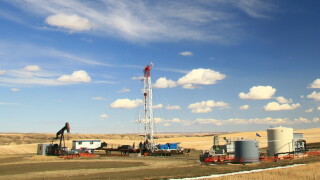
This article from the SPE Methane Technical Section features Arvind Ravikumar of the University of Texas at Austin and focuses on how the Energy Emissions Modeling and Data Lab is integrating satellite observations, facility-level measurements, operational data, and emissions inventories into more credible methane accounting for oil and gas systems.

The firm’s latest analysis puts the bulk of the blame on a fragmented supply chain.
-
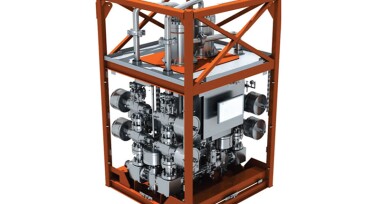
 This paper highlights solids-management technologies that are currently available and still in use topside (some of which are potentially outdated).
 -
This paper explains how machine learning and physiology can be used to improve rig technical training by monitoring the operator’s stress, leading to targeted training to manage such situations better.
-
ExxonMobil LNG Asia Pacific will purchase 1.0 mtpa from Rio Grande LNG plant over a 20-year period.
-
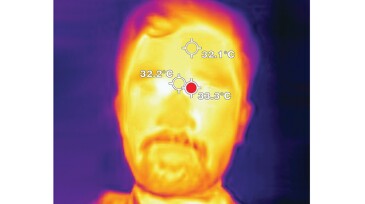
Connected safety is growing, including in the oil patch. And it is tied to the wearable technology so prevalent today.
-
Is seaweed farming a viable alternative to industrial-scale carbon capture and storage? This 3-year project off the coast of Norway aims to find out.
-
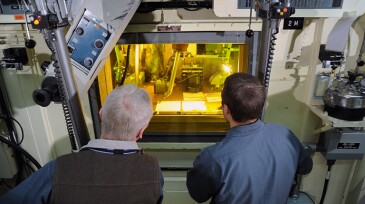
While small modular reactors open doors to affordable, carbon-free nuclear power, they also raise new questions over waste disposal.
-
It's not just about how much resource is left in the ground. The world's super basins will also need ample access to renewable energy and carbon storage in order to remain competitive in the upcoming decades.
-
Ipieca, the global oil and gas association for advancing environmental and social performance, has listed eight principles to which members must adhere to support UN initiatives, climate action, environmental responsibility, social performance, and sustainability.
-
A new funding opportunity is available for early-career researchers interested in safety and risk management issues related to offshore energy activities.
-
Using CO2 as the geothermal power fluid to generate electricity from low-temperature abandoned hydrocarbon wells can help reduce well costs and optimize energy production. In this paper, a previously developed coupled well/reservoir model is extended to study the effects of fluid properties on thermal output.