Inspection/maintenance

This paper introduces in-pipe inspection technologies enabling high-resolution digital measurements of tubular internal diameter and wall thickness for critical downhole applications.
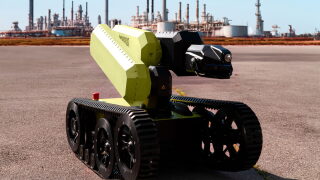
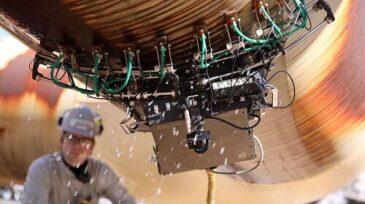
The deployment of a new heavy-duty robotic system aims to reduce workforce exposure to high-risk areas while improving detection of potential leaks.

This paper explores the transformative effect of unmanned aerial systems on operational efficiency, safety, and emergency response within the Khurais oil fields in Saudi Arabia. By integrating sophisticated drone technology, improvements have been achieved in routine inspections, leak detection, and emergency scenarios.
-
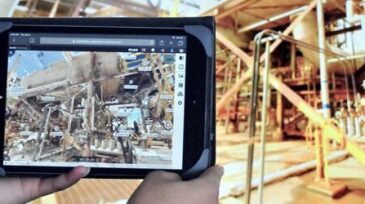
 Three-dimensional seismic technology helped unlock more subsurface secrets for oil and gas operators. Now, 3D technology can be used in scanning, a cutting-edge technology that engineers can use to plan upgrades to oil and gas assets virtually.
 -
The testing, inspection, and certification company is reporting a 900% rise in demand for the remote inspection of offshore assets and equipment since the outbreak of the COVID-19 pandemic.
-
The AI-driven tool will detect anomalies in subsea oil and gas infrastructure.
-
This paper presents a fatigue-prediction methodology designed to extend the life of unbonded flexible risers and improve the accuracy of floating production, storage, and offloading vessel response analysis.
-
Gecko Robotics is providing the energy industry with artificial-intelligence-enabled robots to inspect infrastructure and supply massive amounts of data to help predict failures before they occur.
-
Material selection is a first line of defense against corrosion. This article reviews how to recognize pitting and crevice corrosion, as well as how to optimize tubing material selections for marine oil and gas applications based on the material’s PREN value.
-
The methodology is the industry’s first to address CUI. Along with DNV GL’s new technology, maintenance costs may be reduced by up to 50%.
-
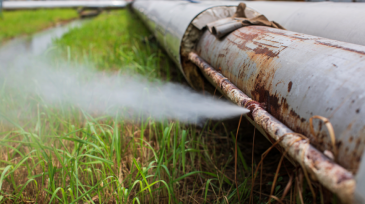
The largest oil and gas major in the US is calling for tighter rules around methane monitoring, wellhead venting, and the replacement of equipment components with “high-leak potential.”
-
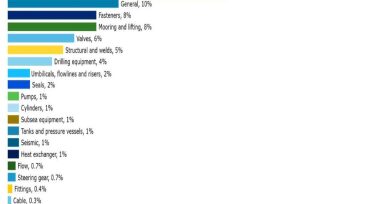
DNV GL researched over 1,000 failure cases to identify failure-prone components. The research is based on cases from its global network of labs.
-
Aker BP showcased the Spot robot recently. Spot will be part of the company's initiative that will explore how robotics systems can be used to make offshore operations safer.