LNG

Shell has reached FID on LNG Canada Phase 2, a major expansion that will double the Kitimat facility’s LNG export capacity to 28 mtpa and strengthen long-term supply to growing Asian markets.
Increased capacity from new terminals and expansions drove up exports of liquefied natural gas at the quickest rate since 2016.
While discussions on the commercial terms for gas sales continue, the release of the jackup rig intended to drill production wells calls into question Shell’s plans for first gas in 2027.
-
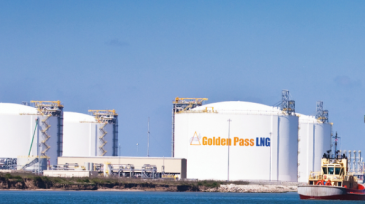
 The Golden Pass LNG export project got the go-ahead for a $1-billion liquefaction development. Baker Hughes will supply turbomachinery equipment for three LNG trains. Startup is expected in 2024.
 -
Anadarko Mozambique Area 1, LTDA, a subsidiary of Anadarko Petroleum Corp., named the preferred tenderers for provision of the subsea production systems. Formal award will follow final agreement of contracts and Mozambique LNG taking a final investment decision, expected in the first half of this year.
-
Wood and KBR inked a multimillion-dollar contract to deliver integrated front-end engineering design (FEED) for Shell Australia's Crux project to build a not-normally-manned (NNM) platform and gas export pipeline located approximately 600 km north of Broome, offshore Western Australia (WA). The Crux field water depth is 110 to 170 m.
-
The SPAs signed with Shell and Tokyo Gas take Anadarko’s long-term sales from the project to more than 7.5 mtpa, with additional deals expected in the near future.
-
The deal calls for CNOOC to get 1.5 mtpa of gas from the Anadarko-operated Mozambique LNG project over the next 13 years. The project is the first onshore LNG development for the coastal East African nation.
-
The $10-billion deal will add liquefaction and export capabilities to the existing facility in Sabine Pass, Texas, according to a Reuters report. Golden Pass currently handles up to 2 Bcf/D of natural gas imports to North American markets.
-
LNG carrier Vladimir Rusanov is capable of sailing in seas with ice up to 2.1 m thick, allowing year-round transport of Yamal’s LNG to worldwide markets.
-
This paper discusses how demand for LNG has affected shipping routes as well as trade issues between the suppliers and importers of natural gas.
-
While much progress has been made to reduce flaring, associated gas continues to be flared at thousands of oil production sites around the world. A further reduction may be achieved through a market-oriented approach to commercialization
-
The 15-year agreement will send gas from the Pluto LNG facility to a mineral sands project in Western Australia. The joint venture will own and operate a road tanker fleet to transport the LNG.