LNG

After a record year for LNG project approvals in 2025, multiyear repairs to war-damaged liquefaction facilities in Qatar and the UAE threaten to slow the growth of global LNG capacity.

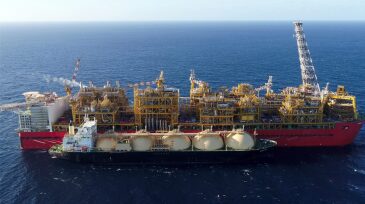
The Coral Norte FLNG is to be the mirror image of the Coral Sul unit, which shipped its first cargo in 2022 after it was put into service in Area 4 offshore Mozambique.
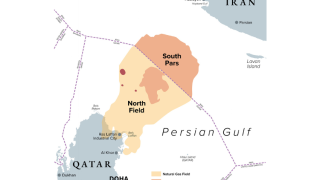
Barzan plant explosion that killed 13 and injured 66 occurred 2 days after production was restarted following a scheduled shutdown in December for routine maintenance.
-
 The country has scrapped plans to build additional FSRUs, and decided instead on land-based LNG as the mainstay of its energy mix
 -
The UK-based energy infrastructure development firm has entered an exclusivity agreement with Meridian Holdings for an FSRU project offshore northwest England. The project would include a floating FLNG receiving port.
-
Driven by Mozambique’s Area 1 and Area 4 projects, Africa is poised to become the dominant LNG investment destination by the end of this year, with the continent seeing nearly one-third of total greenfield investment.
-
With almost 10 Bcf/D of liquefaction capacity scheduled to go into service by 2025, a new report from Moody’s says that US LNG exports should help solidify a floor under natural gas prices as LNG markets see a shortfall in supply.
-
In its first 50 years, LNG has become the world’s fastest-growing gas supply source and is now part of an upheaval in the global energy market. Today, the sector stands at a crossroads, and the industry must adopt new thinking to address current and future needs of buyers, sellers, and consumers.
-
The $30.5-billion project is expected to produce 18 mtpa of LNG once it starts up; commissioning is expected sometime in the mid-2020s. Canada’s investment includes $160 million to fund energy-efficient turbines, which the government says will minimize greenhouse gas emissions.
-
The $20-billion FID is the largest ever for a sub-Saharan oil and gas project. The project’s location on the African east coast puts it in optimal position to sell LNG to the lucrative Asian market.
-
The Japanese operator will submit a development plan to the Indonesian government within the next few weeks, with FID for the $20-billion project coming around 2022. Abadi LNG is projected to deliver 9.5 mtpa of LNG.
-
First cargo from the world’s largest floating LNG project comes in the midst of low LNG prices sparked by a global supply boost. Prelude is expected to produce 3.6 mtpa for Shell.
-
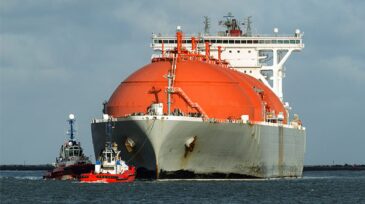
Exponential growth in LNG tank capacity, fueled by the introduction of LNG fuel in shipping sectors, indicates a possible shift in the fuel mix.