LNG

After a record year for LNG project approvals in 2025, multiyear repairs to war-damaged liquefaction facilities in Qatar and the UAE threaten to slow the growth of global LNG capacity.

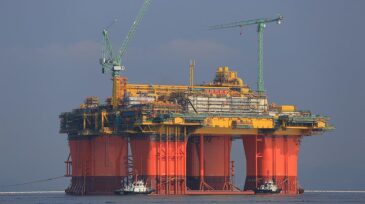
The Coral Norte FLNG is to be the mirror image of the Coral Sul unit, which shipped its first cargo in 2022 after it was put into service in Area 4 offshore Mozambique.
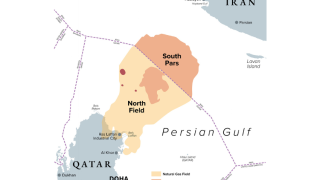
Barzan plant explosion that killed 13 and injured 66 occurred 2 days after production was restarted following a scheduled shutdown in December for routine maintenance.
-
 The US Army of Corps of Engineers pulled the permit application after the company requested an extension on a review deadline for the project, which could accommodate up to 6 million tons of LNG production annually.
 -
KBR will head a joint venture with TechnipFMC and JGC to provide a basic design package and EPC bid for the Bonny Island expansion.
-
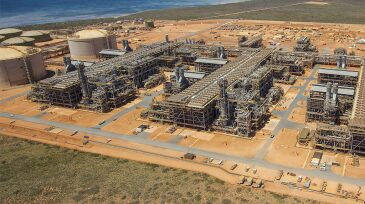
The long-awaited Ichthys LNG Project off Western Australia has finally started gas production. LNG liquefaction is expected in a few weeks.
-
The contract covers the installation of umbilicals, flying leads, and manifolds for the project, which aims to expand and upgrade subsea facilities for the gas field located offshore western Australia.
-
The head of US regulatory commission said that it has been working on "streamlining" the application process this year, and that details of a revised process should be available soon.
-
The $1.5-billion deal delivers a world market share of 10%, including a 16.6% stake in the US Cameron LNG project.
-
The Alaska Gasline Development Corp., a state-owned corporation, is preparing an equity offering for this summer for its $43-billion LNG project. BP agreed to sell natural gas from Prudhoe Bay for export to Asia-Pacific.
-
The Petroleum Safety Authority Norway launched an investigation into an LNG leak at the Hammerfest LNG plant on 17 June.
-
Cheniere Energy requested issuance of the feedstock permit from FERC by 29 June. The FID for Train 3, estimated at approximately $3 billion, was announced last month. Bechtel got the green light to proceed with EPC work, subcontracting with BHGE for the gas turbines to drive compressors.
-
A new report from GIIGNL shows increased liquefaction capacity in Australia and the US as the key drivers in LNG supply growth, while Asia has been the leader in global LNG import growth.